HexClad Lawsuit: Legal Claims, Settlement Updates, Consumer Rights, and Key Facts
Jonas Hill - 2026-06-18

Sponsored Ads

Sponsored Ads

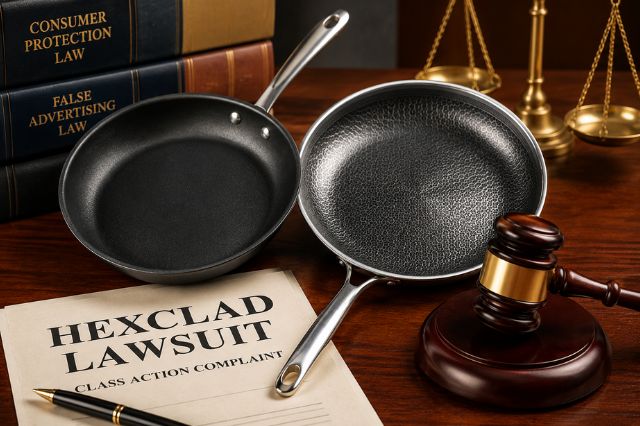
The HexClad lawsuit involves allegations that certain advertising and marketing statements regarding cookware performance, durability, and related product characteristics may have misled consumers. Plaintiffs claim they relied on those representations when purchasing HexClad cookware. The litigation includes consumer protection and false advertising claims and has generated significant public interest because of the company's prominent position in the cookware market. Settlement discussions have further increased attention among consumers seeking compensation and claim information. While allegations remain subject to legal review, the case highlights the importance of truthful advertising, consumer rights, and compliance with U.S. consumer protection laws.
The HexClad lawsuit has become a major topic of interest among consumers, legal professionals, and cookware buyers seeking answers about the company's marketing practices and product claims. As premium cookware products continue to gain popularity, lawsuits involving advertising representations and consumer expectations often attract significant public attention.
Many consumers searching for information about the HexClad class action lawsuit want to understand whether the allegations have merit, what legal claims have been filed, and whether compensation may be available through a settlement. The litigation highlights important issues involving consumer protection laws, false advertising standards, and the responsibilities companies have when promoting products to the public.
This article explains the HexClad cookware lawsuit, the legal allegations involved, settlement developments, consumer rights, and the broader legal implications under United States law.
The HexClad lawsuit refers to legal claims brought against the cookware manufacturer concerning certain advertising and marketing practices. Plaintiffs in the case allege that some promotional statements regarding the cookware's performance and characteristics may have misled consumers.
HexClad built a strong reputation through aggressive marketing campaigns, celebrity endorsements, and claims regarding the unique hybrid construction of its cookware products. The company markets its cookware as combining stainless steel durability with nonstick convenience.
According to court filings, consumers who purchased the products claim they relied on marketing representations when making purchasing decisions. Some plaintiffs allege that the products did not perform as expected based on the advertising materials they reviewed before purchase.
The HexClad consumer lawsuit does not automatically establish wrongdoing. As with any civil litigation, allegations must either be proven in court or resolved through settlement negotiations. Nevertheless, the case has generated significant public interest because it involves consumer rights and product marketing practices that affect a large number of purchasers.
The HexClad legal case has also become an example of how consumer protection laws can be used to challenge allegedly misleading advertising in the marketplace.
One of the most common questions consumers ask is: Why is HexClad being sued?
The primary allegations involve claims that certain marketing statements may have created consumer expectations regarding cookware performance, durability, and other product characteristics that some purchasers believe were not fully met.
The HexClad false advertising lawsuit focuses on whether consumers were given an accurate understanding of the cookware before purchasing it. Plaintiffs argue that advertising materials influenced their buying decisions and justified the premium prices charged for the products.
Another area of concern involves nonstick performance. Some consumers who participated in discussions surrounding the HexClad pans lawsuit reported that their cookware did not consistently perform in the manner they expected based on advertising claims.
Certain complaints also involve warranty-related issues. These concerns have led some observers to describe portions of the litigation as a potential HexClad warranty dispute lawsuit involving questions about product performance expectations and consumer remedies.
The lawsuit does not necessarily mean that every customer experienced problems with the cookware. Instead, the litigation examines whether a reasonable consumer could have been misled by the challenged marketing representations.
The HexClad false advertising claims explained in court documents involve legal standards that govern advertising practices throughout the United States.
Consumer protection laws generally prohibit companies from making materially misleading statements about their products. Courts often examine whether a reasonable consumer would likely interpret advertising claims in a manner that could affect purchasing decisions.
The HexClad deceptive advertising case raises questions about whether certain marketing messages accurately communicated product characteristics and performance capabilities. Plaintiffs argue that some statements may have overstated benefits or created expectations that were not universally experienced by consumers.
The HexClad consumer protection lawsuit illustrates how advertising-related litigation is evaluated under state and federal laws. Courts frequently analyze factors such as:
The specific language used in advertising
Consumer interpretation of marketing claims
Whether alleged misrepresentations were material
Evidence of consumer reliance
Financial impact on purchasers
The HexClad legal complaint seeks remedies that may include compensation, corrective measures, or other forms of consumer relief. However, the ultimate outcome depends on court rulings, settlement agreements, and the evidence presented by both sides.
The HexClad nonstick coating lawsuit has generated widespread discussion regarding cookware materials and nonstick technology.
PTFE, commonly known as polytetrafluoroethylene, is a synthetic material used in many nonstick cookware products throughout the industry. Questions about PTFE have become increasingly common as consumers seek greater transparency regarding cookware composition.
Many consumers ask: Is HexClad still safe to use? Regulatory authorities generally permit cookware products that comply with applicable manufacturing and safety requirements. The existence of litigation alone does not establish that a product is unsafe.
Another frequently asked question is: When did HexClad stop using PTFE coating? Consumers seeking accurate information regarding product composition should review official company disclosures and current product specifications because formulations and product lines may change over time.
The legal dispute primarily focuses on marketing and consumer expectations rather than definitive findings regarding product safety. As a result, courts are generally tasked with evaluating advertising claims and consumer protection issues rather than providing scientific safety determinations.
The HexClad class action lawsuit began when consumers filed legal complaints alleging misleading advertising and related consumer protection violations.
Following the initial filings, the HexClad court case proceeded through procedural stages that are common in consumer class action litigation. These stages included legal motions, review of allegations, and discussions regarding potential resolution options.
As the litigation progressed, settlement negotiations became a significant focus. Public reports regarding HexClad settlement details have attracted attention from consumers seeking information about potential compensation and eligibility requirements.
Many consumers search for information about the hexclad lawsuit payout per person, hexclad lawsuit payout date, and hexclad lawsuit settlement amounts. The actual value of any compensation depends on the terms of a settlement agreement, the number of approved claims, and court approval requirements.
Similarly, consumers frequently search for a hexclad lawsuit claim form. Participation in any settlement typically requires compliance with procedures established by court-approved settlement administrators.
The HexClad class action lawsuit latest update continues to be monitored by consumers, attorneys, and industry observers. The HexClad litigation update may include settlement administration developments, court approvals, or additional legal proceedings.
The HexClad class action status can change as litigation progresses, making it important for consumers to rely on official court documents and settlement notices when evaluating their rights.
For readers seeking HexClad legal issues explained, the litigation involves several important areas of U.S. law.
Consumer protection statutes are designed to protect buyers from unfair or deceptive business practices. Plaintiffs pursuing a HexClad class action claim generally argue that consumers suffered economic harm because of allegedly misleading product representations.
False advertising laws require companies to provide accurate information regarding product features and performance. Courts evaluate whether challenged statements could reasonably influence purchasing decisions.
The HexClad cookware performance legal issues discussed in the litigation also involve questions regarding product marketing compliance and advertising substantiation. Businesses must ensure that promotional claims are supported by adequate evidence and communicated clearly to consumers.
Federal Trade Commission principles and state consumer protection laws play an important role in these cases. These laws provide mechanisms through which consumers can challenge allegedly misleading advertising and seek remedies when they believe they have been harmed.
The HexClad legal complaint consumer rights arguments emphasize the ability of consumers to seek relief through collective legal action when similar claims affect large groups of purchasers.
Yes. HexClad has faced legal claims alleging that certain advertising and marketing statements may have misled consumers regarding cookware characteristics and performance.
The litigation primarily involves allegations concerning advertising claims, consumer expectations, and whether certain marketing representations accurately described the cookware products.
Yes. The HexClad cookware lawsuit includes consumer protection and false advertising allegations brought by purchasers who claim they relied on company marketing materials.
The existence of litigation does not establish that a product is unsafe. Consumers should review current product information, official company disclosures, and applicable regulatory guidance.
The controversy centers on allegations involving product marketing, nonstick performance expectations, advertising representations, and consumer protection concerns.
The HexClad lawsuit primarily involves allegations related to advertising and consumer protection laws.
Plaintiffs claim certain marketing statements may have influenced purchasing decisions.
Settlement developments have generated significant consumer interest regarding potential compensation.
Consumer protection and false advertising laws are central to the legal claims.
Consumers should monitor official court filings and settlement notices for the latest developments.
The HexClad lawsuit underscores the growing importance of transparency in product advertising and consumer protection. The litigation centers on allegations that certain marketing claims may have influenced purchasing decisions by creating expectations about cookware performance and characteristics. While the case has led to settlement discussions and increased public scrutiny, the allegations remain subject to legal review and court approval processes. For consumers, the lawsuit serves as a reminder to stay informed about product claims and their legal rights. As proceedings continue, future court decisions and settlement developments may provide further clarity regarding the claims and potential remedies available to affected purchasers.
Sponsored Ads

Sponsored Ads