
Sponsored Ads

Sponsored Ads

Hair Relaxer Lawsuit Case Summary
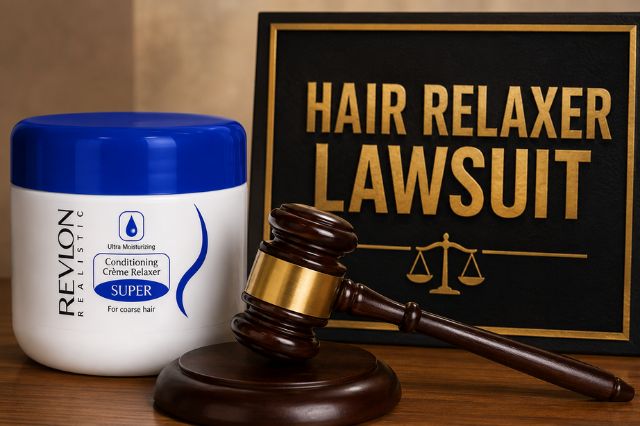
The hair relaxer lawsuit involves thousands of women across the United States who allege that long term use of chemical hair relaxers caused uterine fibroids, uterine cancer, ovarian cancer, and endometriosis. Plaintiffs claim manufacturers, including L'Oreal, Softsheen Carson, Revlon, and Strength of Nature, failed to warn consumers about endocrine disrupting chemicals linked to these conditions. More than 11,000 cases are consolidated in a federal multidistrict litigation (MDL 3060) before Judge Mary M. Rowland in Illinois. As of mid 2026, discovery is largely complete, bellwether trials are underway, and no settlements or payouts have been issued, though a global resolution could begin taking shape later this year.
The hair relaxer lawsuit refers to thousands of product liability claims filed by women across the United States who allege that long term use of chemical hair relaxers caused serious reproductive health conditions, including uterine fibroids, uterine cancer, ovarian cancer, and endometriosis. As of mid 2026, more than 11,000 cases are consolidated in a federal multidistrict litigation, known as the hair relaxer lawsuit MDL, before Judge Mary M. Rowland in the Northern District of Illinois. This guide covers eligibility, named brands, settlement amounts, and the latest hair relaxer lawsuit update for 2026.
What Is the Hair Relaxer Lawsuit About
Chemical hair relaxers contain ingredients that may act as endocrine disrupting chemicals, mimicking estrogen and contributing to hormone imbalances linked to fibroid growth and reproductive cancers. A landmark NIH study released in October 2022 found that women who frequently used chemical hair relaxers had a significantly higher risk of developing uterine cancer compared to non users, becoming the trigger point for the current wave of lawsuits filed nationwide. Plaintiffs allege manufacturers knew or should have known about these risks for decades but failed to warn consumers, particularly Black women, the largest demographic of relaxer users, who have historically been targeted through marketing for these products.
What Hair Brands Are Being Sued
The hair relaxer lawsuit names several major cosmetic manufacturers, with L'Oreal USA, through its Softsheen Carson division, as the primary defendant. Other companies named include Revlon, Strength of Nature, Namaste Laboratories, and Dabur. Products commonly referenced in filings include Dark and Lovely, Optimum, Just For Me, Motions, ORS Olive Oil, TCB Naturals, African Pride, and Soft and Beautiful. If your product is not listed here, it may still qualify, since many lawsuits name multiple relaxer brands used by a single plaintiff over many years.
Hair Relaxer Lawsuit MDL Explained
A multidistrict litigation, or MDL, consolidates similar lawsuits filed across different states into a single court for coordinated pretrial proceedings. The hair relaxer lawsuit MDL, formally In Re: Hair Relaxer Marketing, Sales Practices, and Products Liability Litigation, was centralized in February 2023 in the Northern District of Illinois under Judge Mary M. Rowland, with over 11,000 cases pending as of early 2026.
An MDL is not a class action. Each plaintiff retains an individual claim valued on the specific facts of their case, including diagnosis severity, duration of use, and medical history. The MDL simply lets the court handle shared questions of fact, such as general causation evidence, in one place. On April 30, 2025, Judge Rowland appointed a Special Master to facilitate structured settlement negotiations. Discovery involving the first group of defendants is largely complete as of early 2026, moving the litigation closer to expert testimony, pretrial motions, and bellwether trials.
Hair Relaxer Lawsuit Fibroids and Other Qualifying Conditions
Uterine fibroids are non cancerous growths in the uterus that can cause heavy bleeding, severe pain, infertility, and in serious cases, a myomectomy or hysterectomy. Multiple studies suggest regular relaxer users face a notably higher risk of fibroids than non users. While early filings focused on uterine, ovarian, and endometrial cancer, more recent filings, including Gamble v. Strength of Nature Global, have raised fibroid related injuries as a separate basis for a claim. Qualifying conditions include uterine fibroids requiring surgery, uterine cancer, ovarian cancer, and endometrial cancer or endometriosis, though some firms currently limit intake to cancer diagnoses and hysterectomy related fibroid cases.
Who Is Eligible for the Hair Relaxer Lawsuit
To qualify, a person generally needs documented regular use of a chemical hair relaxer for one year or longer, often starting young, plus a confirmed diagnosis of uterine fibroids requiring treatment, uterine cancer, ovarian cancer, or endometrial cancer or endometriosis occurring after meaningful use, supported by medical records. Family members of a woman who died from one of these cancers may file a wrongful death claim. Statutes of limitations vary by state, and most use the October 2022 NIH study as the discovery date that starts the filing clock, so prompt legal consultation is advised.
Hair Relaxer Lawsuit Settlement Amounts and Fibroids Payout
As of mid 2026, no global settlement or bellwether jury verdicts exist, so there is no official average payout. Based on similar mass torts and injury severity, commentators estimate individual settlement values could range from roughly 100,000 dollars to 1.5 million dollars or more, depending on diagnosis type, age at diagnosis, whether a hysterectomy was required, length of use, lost income, medical expenses, and pain and suffering. Cancer cases generally expect the highest amounts, while fibroid only cases without a hysterectomy may receive less. Because this is a mass tort, not a class action, each claim is valued individually rather than from one pooled fund.
Has Anyone Been Paid From the Hair Relaxer Lawsuit
As of June 2026, no settlement checks have been issued in the federal MDL. The litigation remains in discovery and pretrial. Two bellwether trials were scheduled, one for November 3, 2025, and a second for February 2, 2026, with a court selected group of ten representative cases moving toward trial in 2026. These trials test how juries respond to the evidence and will heavily influence whether a global settlement is reached and at what value.
When Will the Hair Relaxer Lawsuit Be Settled
There is no fixed settlement date. Analysts following the 2026 update note discovery for the first wave of defendants is largely complete, signaling movement toward expert testimony and pretrial motions. If a master settlement framework is reached later in 2026, counsel would still need to build a claims resolution system to review medical records, verify product use, resolve liens, and assign cases to compensation tiers based on severity. Even an optimistic 2026 timeline would likely mean first payments reaching plaintiffs in 2027, with less severe or later filed claims taking longer.
Legal Theories Behind the Hair Relaxer Lawsuit
Hair relaxer lawsuits rest primarily on product liability law, covering claims against manufacturers for harm caused by defective or dangerous products. The MDL court has allowed claims for failure to warn, negligence, and strict liability to proceed. Failure to warn claims argue manufacturers had a duty to disclose known health risks on labeling and did not. Negligence claims argue manufacturers did not exercise reasonable care in testing or marketing. Strict liability focuses on whether the product itself was unreasonably dangerous. Some state filings also include consumer protection claims, alleging marketing misrepresented these products as safe for frequent use, particularly to Black women, despite internal awareness of hormonal risks.
State Court Hair Straightener Lawsuit Activity
Beyond the federal MDL, hair straightener lawsuit activity is also proceeding in state courts. In Illinois, many cases are coordinated for pretrial purposes. In Georgia, the state Supreme Court revived a hair relaxer fibroids lawsuit in October 2025, letting a plaintiff who used relaxers from 1995 to 2014 and was diagnosed with fibroids in 2018 move forward against L'Oreal and Strength of Nature. Pennsylvania state tort actions were also consolidated in 2025. Plaintiffs sometimes have a choice between federal court, where a case transfers into the MDL, or state court depending on residence or where the company is based.
Is There a Non Toxic Hair Relaxer
Consumers concerned about the chemicals at issue often look for alternatives marketed as free of formaldehyde, parabens, and phthalates, some of the endocrine disrupting chemicals named in filings. Some brands now advertise sulfate free, no lye, or botanical based formulas as lower risk. However, no relaxer product has been independently certified as completely risk free, and newer formulas have not been studied as extensively as traditional relaxers. Anyone with health concerns should review the full ingredient list and consult a medical provider.
How to Qualify and File a Hair Relaxer Lawsuit Claim
Anyone considering filing should gather documentation of relaxer brands and frequency of use over time, medical records confirming a qualifying diagnosis, and records of related surgeries such as a myomectomy or hysterectomy. An attorney can review this at no upfront cost in most cases, since these claims are typically taken on a contingency fee basis. Filing deadlines vary by state and depend on when a person reasonably discovered the link to relaxer use, so prompt legal consultation is advised.
Frequently Asked Questions
What is the hair relaxer lawsuit MDL?
It is a federal multidistrict litigation consolidating over 11,000 chemical hair relaxer injury claims before Judge Mary M. Rowland in Illinois.
Who is eligible for the hair relaxer lawsuit?
Women with documented long term relaxer use who were later diagnosed with uterine fibroids, uterine cancer, ovarian cancer, or endometriosis.
Has anyone received a settlement from the hair relaxer lawsuit?
No, as of mid 2026 no settlement checks have been issued, since bellwether trials and a global settlement are still pending.
What hair brands are being sued in the hair relaxer lawsuit?
L'Oreal, Softsheen Carson, Revlon, and Strength of Nature are named, covering products such as Dark and Lovely, Optimum, and Motions.
When will the hair relaxer lawsuit be settled?
No date is set, but most analysts expect settlement talks to advance through 2026, with payouts possibly beginning in 2027.
Disclaimer: This article is for general informational purposes only and does not constitute legal advice. Consult a licensed attorney to evaluate your specific situation.
Sponsored Ads

Sponsored Ads