Construction Accidents in Westchester, NY: What to Do After a Construction Injury
CHLOE JOHNSON - 2025-08-02

Sponsored Ads

Sponsored Ads

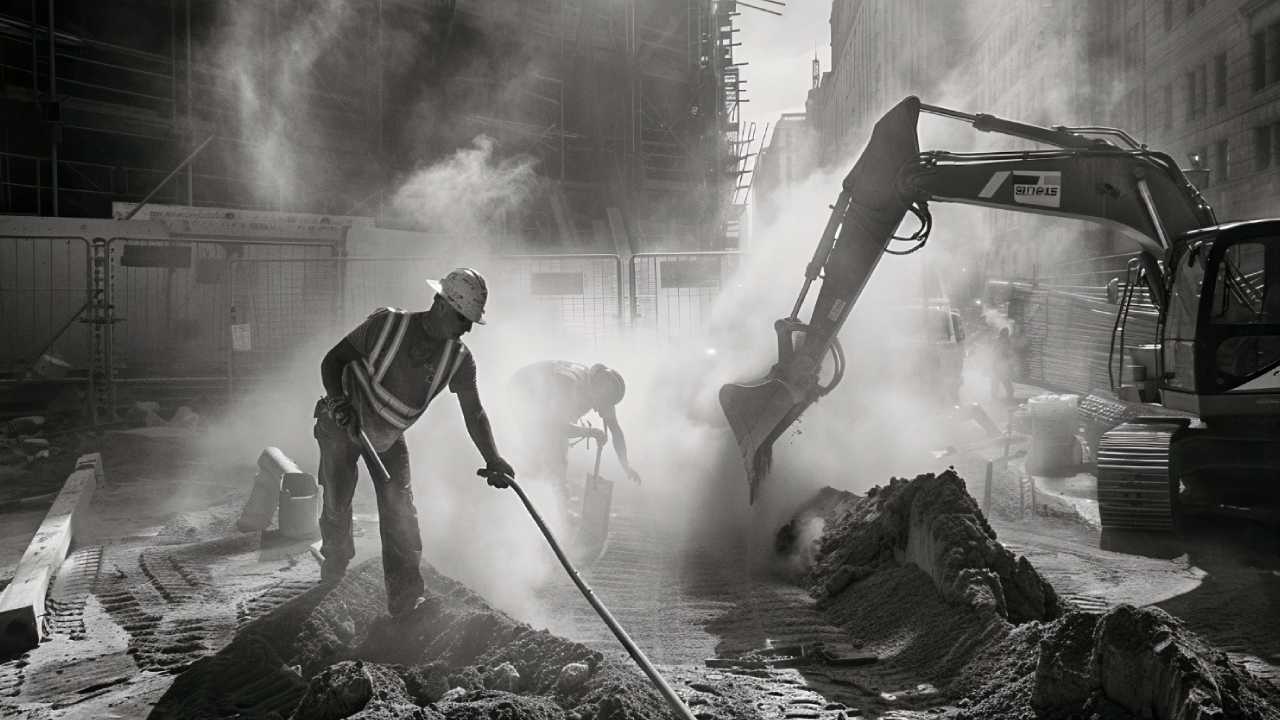
Construction work is an important part of Westchester County, supporting residential construction, commercial development, renovations, infrastructure, and other projects. But construction sites also expose workers to falls, heavy machinery, electrical hazards, vehicles, falling materials, trenches, and other potentially serious risks.
A construction accident can leave a worker dealing with more than an immediate injury. Medical treatment, time away from work, reduced income, rehabilitation, and uncertainty about who may be responsible can quickly become part of the situation.
If you have been injured while working on a construction site in Westchester, understanding what to do next can help you protect your health and make informed decisions about workers’ compensation and potential legal claims.
A construction accident is generally a work-related incident that causes an injury or illness. Some incidents happen suddenly, while others develop after repeated exposure or strenuous work.
Common examples include:
Construction remains one of the most hazardous major industries in the United States. According to the U.S. Bureau of Labor Statistics, construction recorded 1,034 private-industry workplace fatalities in 2024, the highest number among private-industry sectors. Of those fatalities, 389 involved falls, slips, or trips.
BLS construction fatality statistics
OSHA's construction guidance identifies four major hazard categories: falls, struck-by hazards, caught-in or between hazards, and electrocution.
OSHA Construction Focus Four hazards
These national statistics do not determine what happened in an individual Westchester case, but they show why construction safety and injury prevention remain important in 2026.
The first priority after a workplace construction accident is getting appropriate medical care. After that, several practical steps can help preserve information about the accident and your injury.
Seek emergency treatment when necessary. For non-emergency workers’ compensation treatment, the New York Workers’ Compensation Board generally directs injured workers to a Board-authorized healthcare provider, subject to applicable rules and exceptions. The provider should also be told that the injury is work-related.
New York Workers’ Compensation Board Injured Worker’s Toolkit
Keep copies of medical records, prescriptions, test results, bills, and information about recommended treatment.
Notify your employer as soon as possible and preferably in writing.
New York generally requires an injured worker to notify the employer within 30 days of the injury. The Workers’ Compensation Board recommends providing written notice as soon as possible rather than waiting until the deadline.
New York Workers’ Compensation Board claim-filing guidance
Depending on your condition and circumstances, preserve:
Do not put yourself in additional danger to obtain evidence.
Write down important details while they are still fresh. Record medical appointments, symptoms, work restrictions, communications with your employer, and significant changes in your employment or work schedule.
For a typical New York workers’ compensation claim, you should notify your employer within 30 days of the injury. The Workers’ Compensation Board states that failing to provide timely notice can result in the loss of workers’ compensation rights.
You should also file an Employee Claim, Form C-3, with the New York Workers’ Compensation Board as soon as possible. The Board states that the claim generally must be filed within two years of the accident, although different rules can apply to occupational diseases.
New York Workers’ Compensation Board Form C-3 and filing information
These deadlines are important, but an injured worker should not wait until the last possible day to take action.
Workers’ compensation is an important source of protection for employees who suffer qualifying work-related injuries or illnesses.
Unlike a traditional negligence lawsuit, a workers’ compensation claim generally does not require an injured employee to prove that the employer was negligent. The system can provide medical care and wage-related benefits when the applicable requirements are met.
New York Workers’ Compensation Board benefits information
New York workers’ compensation can cover medical treatment for a qualifying work-related injury or illness. The Workers’ Compensation Board explains that medically necessary treatment, prescribed drugs, and certain medical equipment can be covered under workers’ compensation.
An injured worker who loses time from work may qualify for wage-loss benefits. The amount depends on factors including wages and the extent of disability.
For injuries occurring between July 1, 2026, and June 30, 2027, New York's published workers’ compensation schedule lists a $384.45 minimum weekly benefit and a $1,281.50 maximum weekly benefit, subject to the applicable calculation and eligibility rules.
New York Workers’ Compensation Board 2026–2027 weekly benefit schedule
The actual benefit for an individual worker can be different because workers’ compensation benefits are calculated according to the circumstances of the claim.
Generally, no.
Workers’ compensation is designed to provide benefits for qualifying work-related injuries without requiring an employee to prove that the employer caused the accident through negligence.
However, that does not mean that questions about responsibility are irrelevant in every construction case.
If another person or company contributed to the accident, a separate legal claim may potentially exist. This distinction is important when considering a workers’ compensation claim after a construction accident.
Workers’ compensation generally does not provide a separate award for pain and suffering.
Its primary benefits involve medical care and wage-related compensation, along with certain benefits associated with permanent disability or impairment.
A different type of claim may be possible if a third party contributed to the accident. Whether that claim exists depends on the specific facts and applicable New York law.
Sometimes.
Construction projects often involve property owners, general contractors, subcontractors, equipment companies, manufacturers, delivery companies, and other businesses. If someone other than the injured worker's employer contributed to an accident, that party may potentially have legal responsibility.
This is commonly described as third-party liability in a construction accident.
For example, an injured worker might have a workers’ compensation claim while also investigating whether another contractor's conduct, defective equipment, or a property-related condition contributed to the injury.
New York's Labor Law contains specific provisions addressing certain construction work. The current New York Senate legislation database identifies Article 10, Building Construction, Demolition and Repair Work, which includes Labor Law §§ 240–242.
New York Labor Law - Article 10
Labor Law § 240 addresses certain elevation-related construction work and protective devices, while § 241 addresses specified construction, excavation, and demolition requirements. These provisions are technical, and their application depends on the facts of the particular accident.
It is also important to check the current law before relying on older articles or summaries. Legislative proposals can change New York's construction-law landscape, but a proposed bill is not the same as an enacted law. For example, a 2026 proposal concerning Labor Law §§ 240 and 241 is currently listed as being in committee rather than enacted.
Potentially.
This can be particularly relevant on larger Westchester projects where several businesses may operate at the same site.
Employer liability for work injuries and the potential liability of another company are separate questions. Receiving workers’ compensation does not necessarily answer whether another party may also have legal responsibility.
Not every construction injury occurs in one dramatic event.
Construction workers can develop occupational illnesses after repeated exposure to dust, fumes, chemicals, silica, solvents, or other workplace hazards. Symptoms may develop gradually rather than immediately after one identifiable accident.
OSHA also recognizes health hazards in construction beyond the traditional “Focus Four,” including chemical hazards, respiratory risks, occupational noise, and ergonomic concerns.
OSHA construction health and safety resources
This can make an occupational exposure claim different from a sudden fall, machinery accident, or electrical injury. Medical documentation and information about the worker's job duties and workplace exposure can become particularly important.
A denied claim does not necessarily mean that the matter is over.
A workers’ compensation claim may be disputed over issues such as:
The New York Workers’ Compensation Board has a formal claims process for disputed cases. Depending on the circumstances, a Workers’ Compensation Law Judge may address questions concerning whether benefits are payable.
New York Workers’ Compensation Board claims process
Keep the denial notice and communications from the employer or insurance carrier. Pay close attention to any deadlines contained in those documents.
Some injured workers worry that reporting an accident or filing a workers’ compensation claim could affect their employment.
If you believe you are being threatened, disciplined, or treated differently because you reported an injury or exercised a legal right, document what happened. Keep relevant emails, letters, messages, and other records.
Workers’ compensation issues can overlap with employment-law questions, so the appropriate response depends on the circumstances.
Do not assume that you must remain silent about a workplace injury simply because you are concerned about your job.
Construction workers are sometimes told that they are independent contractors rather than employees.
That label does not necessarily settle every legal question concerning worker status or workers’ compensation coverage. New York has specific rules concerning coverage and worker classification in the construction industry.
If you were paid as a contractor, received a 1099, or were told that you were not an employee, the circumstances of your work may still need to be examined before concluding that workers’ compensation does not apply.
Not every construction injury requires a lawsuit. However, legal guidance may become particularly useful when the situation involves serious injuries, disputed benefits, or several potentially responsible parties.
Consider speaking with a construction accident lawyer if:
For an injured worker in Westchester, a workers compensation lawyer Westchester can help explain how workers’ compensation and potential third-party claims may apply to the particular circumstances.
The purpose of obtaining legal advice is not necessarily to start a lawsuit. It can also help a worker understand available options before making an important decision.
A settlement should not be judged only by the dollar amount being offered.
Before agreeing to a settlement, understand:
New York Section 32 waiver agreements can settle indemnity and/or medical benefits. The Workers’ Compensation Board explains that an approved Section 32 agreement can end the right to ongoing and future benefits covered by the agreement.
New York Workers’ Compensation Board Section 32 settlement guidance
Because the consequences can be significant, an injured worker should understand exactly which benefits and rights are being settled before signing.
A fall from a scaffold, forklift collision, electrical injury, and trench collapse may all be described as construction accidents, but the legal and factual questions can be very different.
An investigation may need to establish:
That information can help determine whether the matter involves workers’ compensation alone or whether additional legal claims should be investigated.
Q1. What should I do immediately after a construction accident?
Get necessary medical treatment, notify your employer promptly, preserve available evidence, identify witnesses, and keep copies of medical and employment records.
Q2. How quickly must I report the injury?
New York generally requires an injured worker to notify the employer in writing within 30 days. The Workers’ Compensation Board recommends doing so as soon as possible.
Q3. What evidence should I preserve?
Photographs, witness information, accident reports, medical records, work assignments, pay records, safety communications, and information about equipment or other contractors can be useful.
Q4. What does workers’ compensation cover?
Depending on eligibility, workers’ compensation can provide medical care and wage-related benefits for qualifying work-related injuries or illnesses.
Q5. Do I need to prove my employer was negligent?
Generally, no. A workers’ compensation claim normally does not require an injured employee to prove employer negligence.
Q6. Will I receive medical and wage-loss benefits?
An eligible worker may receive medical care and wage-loss benefits. The amount and duration depend on the injury, wages, disability, and applicable New York rules.
Q7. Does workers’ compensation cover pain and suffering?
Generally, workers’ compensation does not provide a separate pain-and-suffering award. A potential third-party claim is a separate legal question.
Q8. What if my claim is denied?
You can continue through the New York Workers’ Compensation Board claims process. A disputed claim may proceed to a hearing before a Workers’ Compensation Law Judge when appropriate.
Q9. What if another contractor caused the accident?
A separate third-party claim may potentially exist, depending on the contractor's role and the facts surrounding the accident.
Q10. When should I contact a lawyer?
Consider obtaining legal advice when the injury is serious, your claim is disputed, another party may be responsible, your employment status is questioned, or you are being asked to settle your rights.
A construction accident can affect a worker's health, income, and ability to continue working. For someone injured on a Westchester construction site, the first steps are practical: obtain medical attention, report the injury promptly, preserve evidence, and understand the workers’ compensation process.
New York workers’ compensation can provide important medical and wage-related benefits, but it does not necessarily answer every question arising from a construction injury. Another contractor, property owner, equipment manufacturer, or other third party may potentially have responsibility depending on the facts.
Understanding these distinctions can help an injured worker avoid making decisions based only on assumptions or pressure from others.
If a claim is denied, a serious injury has occurred, another party may be responsible, or a settlement is being considered, professional legal guidance can help you understand the options available under New York law.
Last reviewed: August 2026
This article is provided for general informational purposes and does not constitute legal advice. Workers’ compensation and construction injury claims depend on their individual facts. New York laws, regulations, and benefit amounts may change, so current official sources or qualified legal counsel should be consulted for advice about a specific situation.
Sponsored Ads

Sponsored Ads