
Sponsored Ads

Sponsored Ads

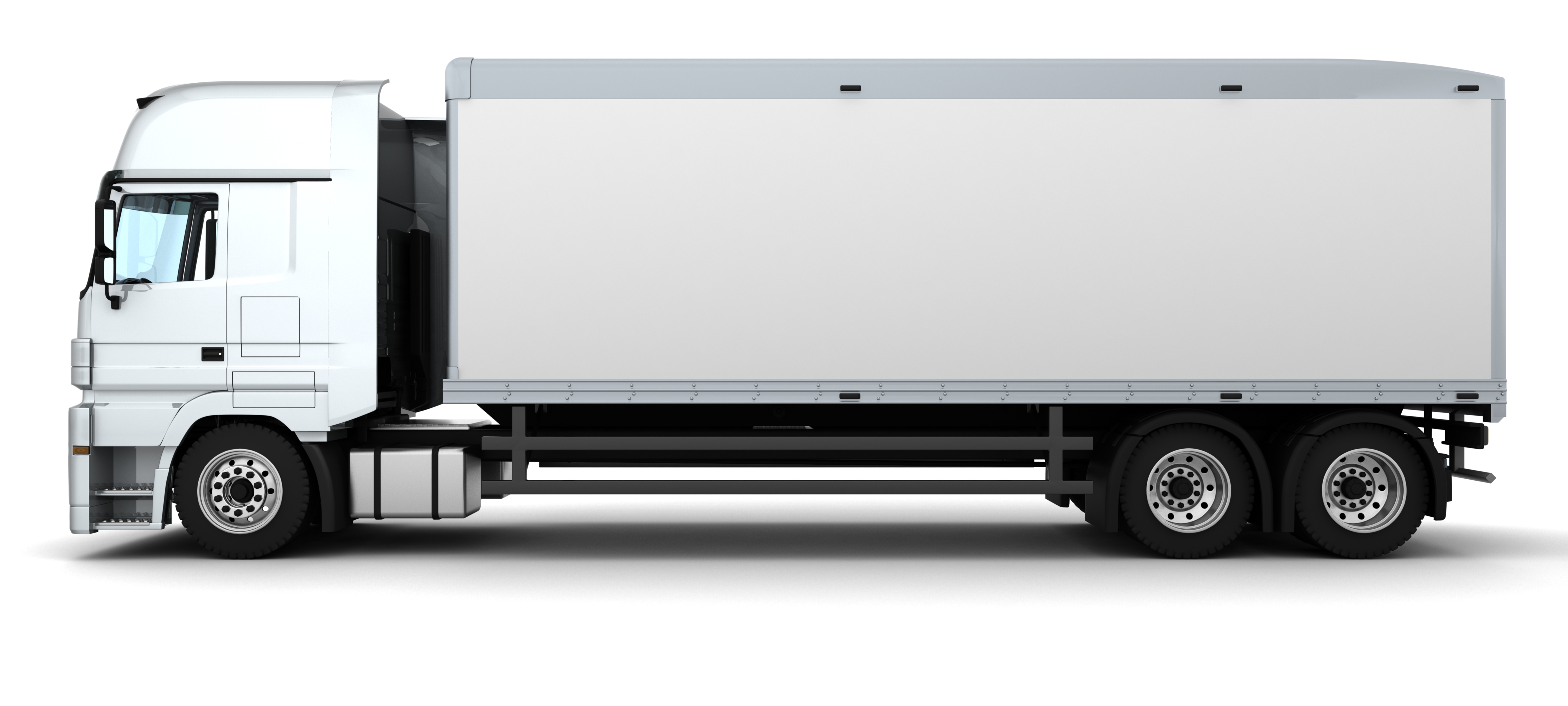
America is home to over 330 million people who thrive on the backbone of the transport industry. The number of highways across different states demonstrates that the trucking industry is a formidable force in the economy. Almost everyone uses trucks daily when running errands or traveling long distances.
Despite its significance, there is a growing concern about the risks it poses to users. Many people don’t realize that not all trucking companies are equally safe. Are trucking firms exposing passengers to dangers by focusing more on profit and compromising their safety? We will discuss this in detail in this blog.
Rapid Movement—at a Price
With over 10 million trucks operating in the country, there is constant movement. Although the vast majority of trucking firms work within state and federal guidelines, the large volume of traffic signifies that a minor mishap can have terrible effects. Drivers are not the only ones at risk. Passenger cars face a greater risk in case of collisions with large trucks because of their weight and size.
Highways become unsafe when drivers ignore rules for selfish gains. While some abide by the rules, others ignore them openly.
Therefore, you must be cautious when dealing with truck drivers to remain safe. Careless driving, lack of regulatory oversight, and vehicle maintenance expose highways to dangers.
Exhaustion, Driver Scarcity, Time Limit
One of the most significant safety issues is driver exhaustion. While there are guidelines on the number of hours drivers can operate, these rules do not always apply or favor individual interests. Owing to the shortage of drivers in the countries, some companies put pressure on drivers to meet strict deadlines, which leads to fatigue and longer working hours.
Such terms expose the truck driver and other road users to accidents. Drivers have no option but to meet targets set by their bosses or risk losing their jobs. They spend long hours behind the wheel without food or water. There are fewer restrictions and more incentives in independent or small operations to encourage more people to come on board.
NHTSA requires drivers to use Electronic Logging Devices (ELDs) to prevent false driving logs. However, drivers still find a way around the device and submit false driving reports. The impact? Exhausted drivers tugging large trucks at high speeds, putting everyone at risk.
Maintenance Shortcuts
All vehicles require regular and proper maintenance to ensure safety. However, some companies lag in maintaining their fleets owing to the rising cost of fuel, parts, and insurance. Aging tires, delayed maintenance, and broken brake systems expose trucks to great risks.
Vehicles undergo regular inspections to ensure that they are up to standards and safe to operate. The ones that violate safety standards undergo thorough evaluation and maintenance before resuming operations. While mechanical failure is not the leading cause of truck-linked accidents, it has a disastrous impact when it occurs.
Regulatory Failure
Critics posit that the regulatory body is not doing enough to hold truck companies accountable and restore sanity on roads. They believe that the only way to address rising incidences of overspeeding and negligence by truck drivers is to stop their operations until they are retrained.
Risks of Sharing Roads
Sharing roads with truck drivers exposes other road users to significant risks. Passenger vehicles have less weight and are smaller in size than trucks, which puts them at greater risk in case of collisions. Children going to school, commuters heading home, or friends driving to the park are the ones affected when accidents happen.
While truck drivers also face threats, they are more likely to recover and resume operations. Therefore, passenger vehicles need protection from deadly truck-related accidents because of the impact. If you are involved in a truck accident, contact a truck accident lawyer to hold the negligent truck company accountable and receive compensation for your losses.
Sponsored Ads

Sponsored Ads