
Sponsored Ads

Sponsored Ads

Procter and Gamble sells Tampax tampons to tens of millions of American women who trust the brand is safe. That trust is now at the center of one of the most significant feminine hygiene product lawsuits in United States history. The Tampax lawsuit alleges that Procter and Gamble knowingly sold tampons containing toxic levels of lead and other heavy metals, and that a separate product line marketed as pure and organic contains PFAS forever chemicals. If you have ever purchased Tampax products, understanding the legal claims, who qualifies, and where the litigation stands in 2026 is critical.
What Is the Tampax Lawsuit?
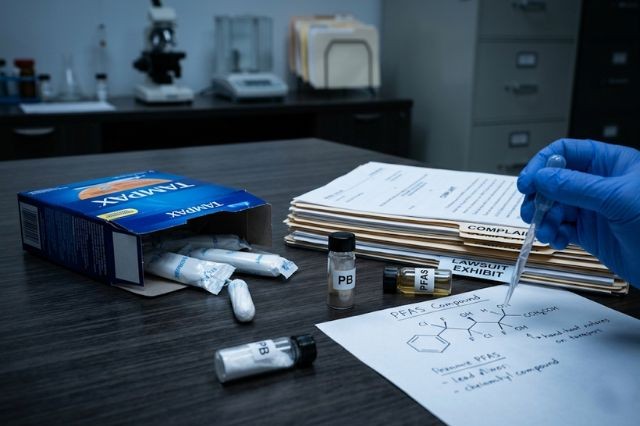
The Tampax lawsuit is a collection of federal class action cases filed against The Procter and Gamble Company, the manufacturer and seller of the Tampax brand. The litigation has two distinct but related tracks. The first involves claims that Tampax Pearl tampons contain unsafe levels of lead and other heavy metals detected through independent laboratory testing. The second involves claims that Tampax Pure Cotton tampons, marketed as containing a 100 percent organic cotton core and positioned as a clean alternative, were found to contain per- and polyfluoroalkyl substances, commonly known as PFAS or forever chemicals.
The lead contamination track began in earnest after a landmark August 2024 study from researchers at Columbia University and the University of California Berkeley identified lead and other heavy metals in tampons across at least 14 brands and 18 product lines sold in the United States. Tampax was among the brands named. The research warned that repeated exposure could increase risks of reproductive harm, hormonal disruption, and certain cancers in women.
The Barton v. Procter and Gamble Case
The foundational Tampax tampon lawsuit was filed on July 29, 2024, in the United States District Court for the Southern District of California. Lead plaintiff Allison Barton alleged that Tampax Pearl tampons contain unsafe levels of lead that exceed California Proposition 65 limits. Independent laboratory testing cited in the complaint detected lead levels ranging from approximately 0.243 micrograms in Tampax Pearl Light tampons to about 0.787 micrograms in the Pearl Ultra variety. Given that Procter and Gamble's own marketing materials acknowledge that many consumers use between three and six tampons per day, the complaint calculated that daily exposure could reach levels that exceed California's Maximum Allowable Dose Level of 0.5 micrograms per day for reproductive toxicity.
Procter and Gamble filed a motion to dismiss the case, arguing the claims were not plausible and that the testing was insufficient. US District Judge Gonzalo Curiel denied the motion in August 2024, ruling that the plaintiffs had alleged enough facts to support their claims and that the laboratory testing was adequate at the pleading stage. Discovery proceeded. By October 2025, a US magistrate judge ordered both sides to bring representatives with full settlement authority to a case management conference, a clear signal that the court views the claims seriously enough to push toward resolution.
PFAS Claims Against Tampax Pure Cotton
The Tampax PFAS lawsuit targets a different product line but uses similar legal logic. Three California consumers filed a class action alleging that Tampax Pure Cotton tampons, sold with claims of being pure and containing a 100 percent organic cotton core, in fact contain organic fluorine, which is a widely accepted indicator of PFAS contamination detected through independent third-party testing. The Tampax forever chemicals lawsuit argues that the vaginal mucous membrane is especially absorbent and sensitive, making PFAS exposure through tampon use particularly dangerous compared to other routes of chemical contact. PFAS have been linked to decreased fertility, developmental harm in children, increased cancer risk, liver damage, thyroid disease, and immune system interference.
California and at least eight other states, including Vermont, Minnesota, Maine, Colorado, Rhode Island, Connecticut, New Mexico, and New York, have now passed or are finalizing laws that ban or restrict intentionally added PFAS in menstrual products, with effective dates between 2025 and 2028. These state-level actions strengthen the legal and regulatory environment surrounding the Tampax harmful ingredients lawsuit by establishing legislative acknowledgment that PFAS in period products is an unacceptable health risk.
Toxic Shock Syndrome and Historical Tampax Litigation
Tampax's legal history does not begin with the current wave of heavy metal and PFAS claims. Toxic Shock Syndrome has been a documented risk associated with high-absorbency tampon use since it was first identified among tampon users in 1978. The condition is caused by bacterial toxins and can be fatal if untreated. Tampax TSS lawsuits have been filed over the decades by women who developed the condition after prolonged tampon use. These cases established important legal precedents around the duty to warn consumers of known health risks, a doctrine that directly informs the failure-to-warn claims at the heart of the current Tampax toxic tampon lawsuit.
The Legal Framework Under United States Law
The Tampax class action lawsuit rests on several established legal theories under federal and state law.
Products Liability and Strict Liability: Manufacturers can be held strictly liable when a product is unreasonably dangerous, regardless of whether the company acted negligently. The presence of lead above safe exposure thresholds in a product inserted into the body is a strong foundation for this claim.
Failure to Warn: Under US tort law, a product that carries a non-obvious risk must include an adequate warning. Plaintiffs in the Tampax lawsuit claims argue that Procter and Gamble was aware of published research identifying heavy metals in tampon products but continued selling them without any disclosure on packaging.
Consumer Fraud and Deceptive Trade Practices: Federal and state consumer protection statutes prohibit material misrepresentations about a product. Marketing a tampon as pure, organic, or gynecologist-recommended while it allegedly contains lead or PFAS constitutes deceptive trade practice claims under laws in every state where the product was sold.
California Proposition 65 Violations: Prop 65 requires businesses to warn Californians before knowingly exposing them to chemicals listed as causing cancer or reproductive toxicity. Lead is on that list. Tampax Pearl products allegedly exposing users to lead above the MADL threshold without a warning creates direct statutory liability in California.
Unjust Enrichment: Plaintiffs argue Procter and Gamble unjustly profited from charging premium prices for products that did not deliver the safety and purity consumers were paying for. This claim does not require proving intent, only that retaining those profits is inequitable given the undisclosed contamination.
Class Certification Under Rule 23: For the Tampax class action to cover all affected consumers, it must satisfy the four requirements of Rule 23 of the Federal Rules of Civil Procedure: numerosity, commonality, typicality, and adequacy of representation. Once certified, the class action creates far greater pressure on Procter and Gamble to settle than any individual lawsuit alone could.
Tampax Lawsuit Update 2026: Where the Cases Stand
As of May 2026, no global settlement has been approved and no official claim form exists for most of the Tampax cases. The litigation is in active discovery, with the Barton case in California having survived a motion to dismiss and moved toward settlement talks ordered by the court. New federal filings in early 2026 have joined the earlier 2024 cases, some attorneys describe this as a nationwide consolidation push that mirrors the structure of earlier multi-district pharmaceutical and consumer product litigations. No recall has been issued by Procter and Gamble or ordered by the FDA, though the US Senate and the Democratic Women's Caucus sent formal letters to the FDA in July 2024 requesting independent review of tampon safety, which the FDA confirmed it was undertaking.
Who Qualifies and What Compensation May Look Like
Based on filings reviewed through mid-2026, consumers who purchased Tampax Pearl or Tampax Pure Cotton products in the United States during the class period, which most complaints define broadly as any purchase within the applicable statute of limitations going back several years, likely qualify for the consumer fraud and deceptive marketing track of the Tampax class action claim. Personal injury claimants who believe they suffered health consequences from lead or PFAS exposure through Tampax products may also have individual claims that could yield significantly higher compensation than a class-wide recovery. In comparable period product and consumer fraud cases, individual class member payouts have ranged from small amounts to several hundred dollars, while personal injury claimants with documented harm can recover substantially more.
Frequently Asked Questions
Is Tampax being sued? Yes. Procter and Gamble faces multiple federal class action lawsuits over lead contamination in Tampax Pearl and PFAS in Tampax Pure Cotton products.
Does Tampax contain PFAS? Independent lab tests found organic fluorine, a PFAS marker, in Tampax Pure Cotton tampons, which form the basis of the ongoing PFAS class action.
Can Tampax cause toxic shock syndrome? TSS is a documented risk linked to prolonged high-absorbency tampon use, and prior lawsuits against Tampax have been filed on this basis.
Has Tampax been recalled? As of May 2026, no formal recall has been issued, but the FDA has commissioned an independent safety review of tampon products.
Can I join the Tampax lawsuit? If you purchased Tampax Pearl or Pure Cotton products in the US within the class period, you likely qualify for the consumer fraud track of the class action.