Suboxone Tooth Decay Lawsuit 2026: Legal Rights, MDL Updates, and What Claimants Must Know
Jonas Hill - 2026-06-16

Sponsored Ads

Sponsored Ads

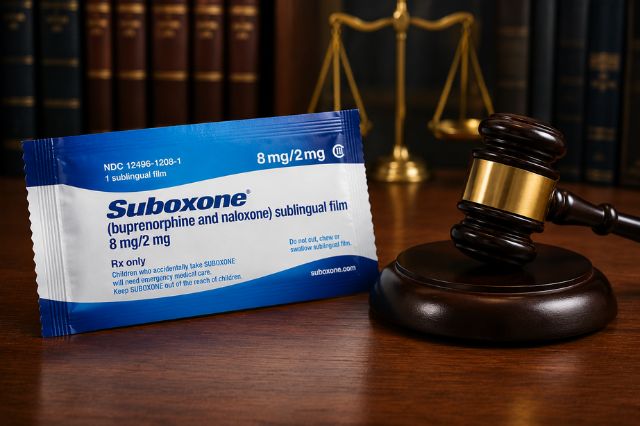
The Suboxone tooth decay lawsuit alleges that Indivior, the manufacturer of Suboxone sublingual film, failed to adequately warn patients and healthcare providers about the risk of severe dental injuries associated with the medication. Plaintiffs claim that prolonged use of Suboxone film caused tooth decay, enamel erosion, cavities, gum disease, oral infections, and tooth loss due to its acidic formulation and saliva-reducing effects. The litigation is consolidated in MDL No. 3092 in the Northern District of Ohio, where thousands of claims are pending. As of 2026, bellwether trial preparations continue, and no global settlement has been reached.
Case Summary
The Suboxone lawsuit has emerged as one of the most closely watched pharmaceutical litigations in the United States. Suboxone, a prescription medication containing buprenorphine and naloxone, is widely used to treat opioid use disorder. While the drug has helped millions of patients manage addiction recovery, thousands of users have reported severe and permanent dental injuries caused by the sublingual film formulation. These injuries include rapid tooth decay, cavities, enamel erosion, gum disease, oral infections, and tooth loss. The Suboxone dental lawsuit centers on allegations that the manufacturer, Indivior, failed to warn patients and healthcare providers about these serious oral health risks.
Suboxone is a sublingual film strip that dissolves under the tongue or along the inner cheek. The medication works by reducing opioid cravings and blocking the effects of other opioids. Patients typically hold the film in their mouth for several minutes while it dissolves, which means the drug remains in direct contact with tooth enamel, gum tissue, and oral mucosa for an extended period with every dose.
The dental damage linked to Suboxone develops through a specific and well-documented biological process. The dissolving film creates an acidic oral environment that weakens enamel. Buprenorphine also reduces saliva production, which is critical because saliva naturally neutralizes acids and remineralizes tooth surfaces. Without adequate saliva flow, the mouth loses its primary defense mechanism against decay. Over time, repeated exposure to this acidic, low-saliva environment causes progressive and often irreversible dental erosion.
• Year 1: Increased tooth sensitivity and early enamel softening
• Year 2: Visible cavities forming, particularly at the gumline
• Years 3 to 5: Tooth fractures, structural collapse, and need for crowns
• Year 5 and beyond: Extensive tooth loss requiring implants or full reconstruction
Many patients did not connect their worsening dental condition to Suboxone use because no warning was provided at the time of prescription.
The Suboxone tooth decay lawsuit is anchored in a critical regulatory action. In January 2022, the United States Food and Drug Administration issued a safety communication warning that buprenorphine sublingual and buccal medicines, including Suboxone film, had been associated with serious dental problems. The FDA reported receiving 305 case reports of dental issues between 2015 and 2020, with 131 of those cases describing severe outcomes including complete tooth loss.
The FDA required updated labeling on all buprenorphine sublingual products following this warning. Plaintiffs in the Suboxone litigation argue that Indivior was aware of dental risks long before the FDA acted and that the delay in warning caused preventable harm to a large patient population.
• 2002: Suboxone receives FDA approval for opioid dependence treatment
• 2010: Internal scientific literature begins noting oral health concerns with sublingual buprenorphine
• 2022: FDA issues formal dental safety communication and mandates label update
• 2022 to 2023: Suboxone tooth decay lawsuits begin filing across multiple states
• 2024: MDL No. 3092 established in the Northern District of Ohio
• 2025 to 2026: Bellwether trial preparation and case discovery ongoing
The Suboxone litigation is consolidated under multidistrict litigation, known as MDL No. 3092, in the United States District Court for the Northern District of Ohio. MDL consolidation allows a single federal judge to manage pre-trial proceedings for thousands of individually filed lawsuits. This structure creates uniform discovery rules, prevents conflicting rulings across different courts, and improves efficiency for both plaintiffs and defendants.
The legal theories underlying the Suboxone dental lawsuit fall into three primary categories. The first is failure to warn, meaning Indivior did not adequately disclose the dental risks associated with the sublingual film to patients or prescribing physicians. The second is design defect, alleging that the film delivery mechanism was inherently dangerous and that safer alternative formulations existed. The third is negligence and fraudulent misrepresentation, based on allegations that the company downplayed known risks in marketing and labeling materials.
One of the most significant legal challenges in Suboxone lawsuits involves establishing causation. Defendants argue that many plaintiffs had pre-existing dental issues related to prior opioid use, poor nutrition, or lack of dental care access during addiction. Courts must determine whether the dental damage was caused by Suboxone specifically or by other factors in the plaintiff's history. Expert testimony from dentists, periodontists, and toxicologists is critical to overcoming this defense.
The statute of limitations for pharmaceutical product liability claims varies by state, typically ranging from two to four years. In Suboxone cases, the discovery rule applies, which means the filing clock begins when the plaintiff knew or reasonably should have known that their dental injuries were linked to Suboxone use. Because the FDA warning was only issued in 2022, many patients had no basis to connect their tooth decay to the medication before that date. Courts are actively evaluating how the discovery rule applies across individual plaintiff circumstances.
A significant source of confusion among potential claimants involves whether the Suboxone lawsuit covers generic buprenorphine-naloxone film products. Under federal preemption law established in Pliva v. Mensing, generic drug manufacturers generally cannot be held liable for failure-to-warn claims because they are required by law to use the same labeling as the brand-name product. This means that claimants who used only generic formulations may face substantial legal obstacles. The Suboxone dental lawsuit primarily targets Indivior as the brand manufacturer. Claimants should verify whether their prescriptions were filled with brand-name Suboxone film specifically.
Courts use bellwether trials to test specific plaintiff cases before juries, providing both sides with data on how fact-finders evaluate causation, liability, and damages. In MDL 3092, bellwether selections are underway. The outcomes of these early trials will likely determine whether Indivior pursues global settlement negotiations or continues litigating individual cases. Strong plaintiff verdicts in bellwether trials typically accelerate settlement discussions and increase overall compensation values.
One area largely absent from competitor coverage is the real financial burden of Suboxone-related dental damage. Dental reconstruction costs are substantial and are a primary driver of compensation claims:
• Tooth fillings: $200 to $600 per tooth
• Root canals: $800 to $2,000 per tooth
• Dental crowns: $1,000 to $3,500 per tooth
• Dental bridges: $3,000 to $6,000 per span
• Single dental implant: $3,000 to $5,000 per tooth
• Full-mouth reconstruction: $30,000 to $100,000 or more
These costs form the economic foundation of most Suboxone settlement claims, alongside pain and suffering, lost wages from dental-related disability, and costs of ongoing oral care.
To qualify for a Suboxone dental injury lawsuit, a claimant generally must meet the following criteria. They must have used the brand-name Suboxone sublingual film product as prescribed by a licensed healthcare provider. They must have developed significant dental injuries including tooth decay, cavities, tooth loss, enamel erosion, gum disease, or oral infections that required professional dental treatment. They must have dental records documenting the injuries and treatment received. They must be able to establish that the dental damage arose after beginning Suboxone film use rather than predating it.
No official Suboxone lawsuit settlement amounts have been finalized as of 2026 because the litigation remains in the pre-trial and bellwether phase. Compensation in Suboxone tooth decay cases is expected to account for past and future dental treatment costs, pain and suffering related to dental procedures and tooth loss, emotional distress and impact on quality of life, lost wages from time spent receiving dental care, and the cost of prosthetics including implants and dentures.
Legal analysts have suggested that cases involving full tooth loss and expensive reconstruction could reach higher settlement values, while cases involving cavities and limited treatment may receive lower compensation. Any specific settlement figures circulating online before MDL resolution should be viewed as projections rather than confirmed figures.
What is the current status of the Suboxone lawsuit?
MDL No. 3092 is active in the Northern District of Ohio with thousands of claims pending, bellwether trial preparation ongoing, and no global settlement reached as of 2026.
What is the average payout for the Suboxone lawsuit?
No official average payout has been established; compensation will vary based on the severity of dental injuries, treatment costs, and the strength of each claimant's evidence.
Does Suboxone permanently damage teeth?
Yes, Suboxone film can cause permanent enamel erosion and tooth loss, particularly with long-term use, due to its acidic oral environment and saliva-reducing effects.
Can I sue if I used generic Suboxone instead of the brand-name film?
Federal preemption law generally limits failure-to-warn claims against generic manufacturers, so cases involving only generic buprenorphine film face significant legal obstacles.
What dental records are needed for a Suboxone lawsuit? Claimants should gather dental X-rays, treatment records showing diagnoses and procedures, prescription records confirming Suboxone film use, and documentation of all related dental expenses.
Sponsored Ads

Sponsored Ads