Resources You Can Utilize if You Have Been Affected by the Eaton Fire Disaster
CHLOE JOHNSON - 2025-06-05

Sponsored Ads

Sponsored Ads

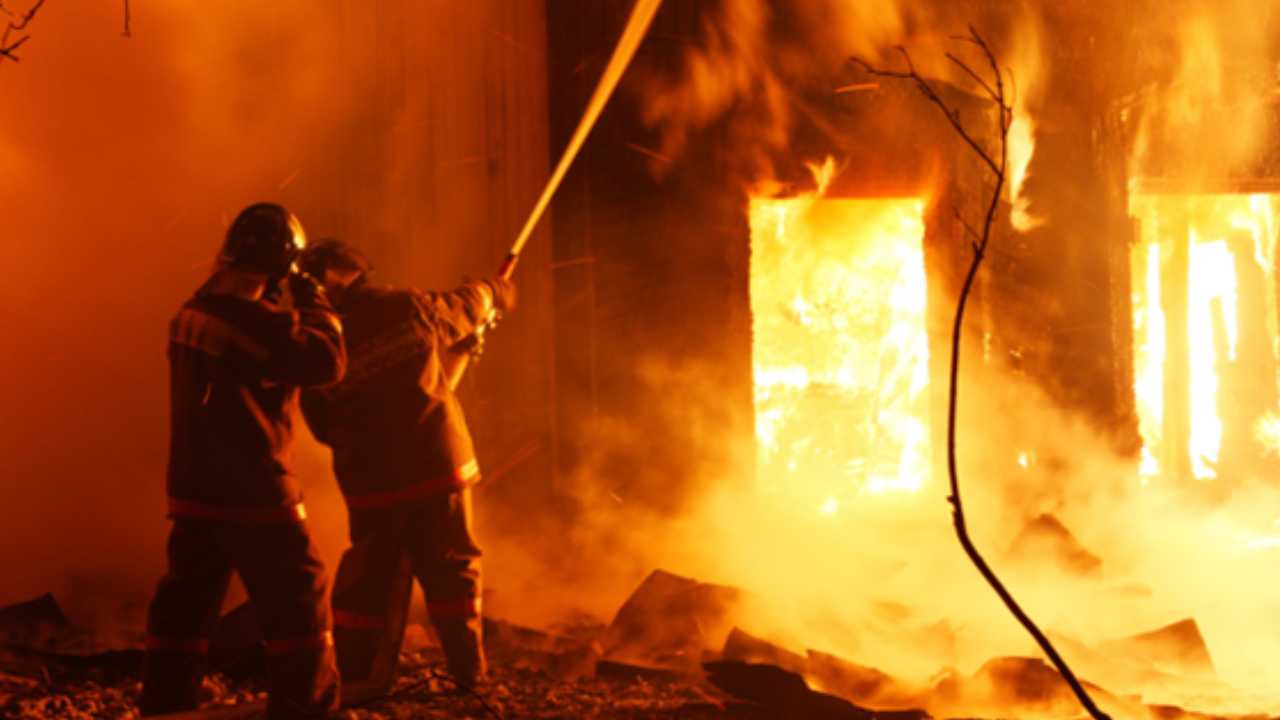
The Eaton fire left a devastating trail in its wake—charred homes, displaced families, and communities grappling with the overwhelming task of recovery. Whether you've suffered property loss, emotional trauma, or both, the aftermath of a wildfire like this can feel isolating. But you're not alone. In the face of such destruction, it's important to know that support exists.
From legal guidance and insurance navigation to housing, mental health services, and financial aid, there are numerous resources available to help you reclaim stability and begin rebuilding. Nestled at the base of the San Gabriel Mountains, Altadena is known for its scenic charm and tight-knit community. But its location also places it dangerously close to wildfire-prone terrain, where dry conditions and high winds can turn sparks into major disasters.
One of the most urgent actions victims should consider is understanding their legal rights, particularly when negligence may be involved. If you've been directly affected by the blaze, it may be time to explore whether you qualify for an Altadena wildfire lawsuit to seek compensation for your losses.
Here are the resources you can utilize if you have been affected by the Eaton fire disaster.
In the immediate aftermath of a wildfire, finding a safe place to stay is the first priority. The following agencies and services offer shelter or short-term housing assistance:
Make sure to document your damages—photos, receipts, and insurance policies will all help when applying for support or reimbursement.
Navigating the insurance process after a wildfire can be incredibly complex. Insurance companies often attempt to settle quickly or offer lower compensation than deserved. If your home, vehicle, or business was damaged, you may need help:
If you're unsure about your insurance rights, consult with a fire damage attorney for clarity.
Not all wildfires are natural. In many cases, they result from human error, poor infrastructure maintenance, or utility company negligence. If investigators find that the Eaton Fire was caused or worsened by such negligence, victims may be entitled to compensation for:
Firms are currently pursuing legal actions related to the Eaton Fire. They're helping residents understand their options through the Altadena wildfire lawsuit, which aims to hold responsible parties accountable and help victims rebuild their lives with the financial resources they deserve.
Unlike typical insurance payouts, litigation can provide more comprehensive compensation, especially when damages extend beyond what your policy covers.
Wildfire survivors don't just experience physical loss—they endure emotional scars that can linger long after the flames have died down. Therapy, peer support, and crisis intervention can play a vital role in healing:
Taking care of your emotional health is just as important as handling paperwork or repairs.
Whether it's replacing personal belongings or reconstructing an entire home, rebuilding requires significant funds and patience. Fortunately, several organizations offer financial assistance and support:
Recovering from a wildfire is never easy. It's emotional, financial, and deeply personal. But with the right tools and the right team, it's possible to move forward. If you've been impacted by the Eaton Fire, take advantage of every available resource—from housing and mental health services to legal representation.
And don't underestimate the power of community—neighbors, support groups, and trusted professionals can all play a role in your recovery. Most importantly, know that you have legal rights. If negligence played a part in this disaster, pursuing an Altadena wildfire lawsuit may be a step toward justice and a stronger, more secure future.
Sponsored Ads

Sponsored Ads