Operating a Boat and Alcohol Definitely Don't Mix: Here Are the Reasons Why
Connor Reyes - 2025-01-08

Sponsored Ads

Sponsored Ads

Operating a boat while intoxicated is illegal in all 50 states. According to the US Coast Guard, boat operators with a blood alcohol level of .10 and higher are 10 times more likely to die.
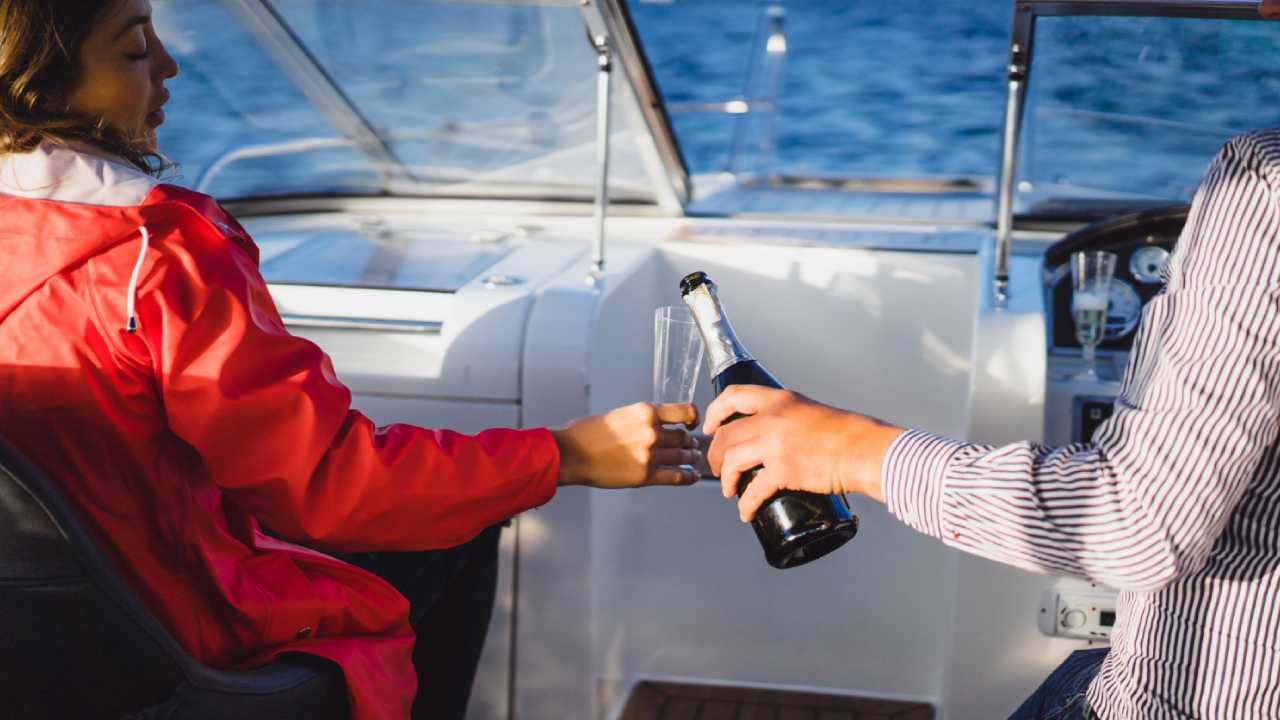
Despite these scary statistics, it is common to see people driving a boat while holding a can in their hands.
Drinking on a boat is not illegal for passengers. However, an operator can face penalties because of violations of BWI laws. It is important to consult BWI crime lawyers to defend your BWI charge.
In this article, we will discuss reasons why alcohol and boats don’t mix and the importance of making the right choices.
Consuming alcohol impairs a person’s body and mind. The US Coast Guard states that using alcohol while boating affects:
On the water, where there are many unpredictable conditions like waves, currents, and changing weather, such impairments can have serious negative consequences.
Additionally, conditions like the sun, wind, and engine vibrations can intensify fatigue and dehydration, making alcohol impairment worse compared to when on land.
Boating while intoxicated increases the risk of collisions, capsizing, and other dangerous situations. Intoxicated boat operators risk their lives, those of passengers, other boaters, and swimmers. Statistics show that 16% of fatal boating accidents in 2022 were because of alcohol use.
Many boating accidents result in drowning or life-threatening injuries. This leaves victims with high medical bills or their families with the loss of a loved one.
In the United States, operating a boat with a blood alcohol concentration (BAC) of .08% or higher is considered a criminal offense. The penalties for this charge include:
To avoid and reduce the risks of boating under the influence, boat operators and their passengers should make safety a priority.
One effective solution is having a designated boat operator who remains sober. You can also consider having snacks and soft drinks instead of alcohol.
Those who wish to drink in the water can do so on the dock or use public water transportation as a safer alternative. If you dock somewhere and have a drink or two, wait for a while before getting back to the water.
Public campaigns and community initiatives are also good preventive measures. Many organizations are offering safety courses that boaters should take to maintain safety. Also, don’t forget to spread awareness to fellow boaters.
Boating is fun, but when combined with alcohol, it puts the lives of others at risk. Choosing to stay sober while operating a boat is the best way to maintain safety and prevent accidents.
If you have been accused of BWI, consider reaching out to an experienced BWI lawyer to fight the charge. The consequences aren’t just worth it.
Sponsored Ads

Sponsored Ads