Sponsored Ads

Sponsored Ads

Identifying responsibility in multi-vehicle car accidents presents unique legal challenges compared to typical two-car collisions. This article addresses how liability is established in complex crashes, the role of evidence, and what steps may help protect your legal interests following such incidents.
Multi-vehicle car accidents often create significant legal challenges when it comes to identifying who is responsible for damages. Unlike straightforward two-car collisions, these incidents can involve a series of impacts, disputes about the order of events, and overlapping claims by different drivers. For anyone seeking guidance, questions around liability are a common reason to consult auto crash attorneys with experience handling complex accident scenes.
Legal complexity in multi-vehicle crashes
Accidents involving three or more cars frequently occur during rush hour traffic, at intersections, or on highways. The core complexity lies in the multiple points of impact and the rapidly unfolding chain of events. In some cases, one vehicle’s action sets off a chain reaction, causing subsequent rear-end collisions. In others, independent actions by several drivers combine to create confusion around who caused what damage and when.
How liability is determined
At the heart of any liability determination is the concept of duty of care: every driver must operate their vehicle safely and in accordance with traffic laws. A breach occurs when a driver acts carelessly, such as by following too closely or failing to signal. In multi-vehicle accidents, establishing causation, showing that a driver’s action or inaction foreseeably caused harm to others, is often complicated by the interplay of several vehicles’ movements.
Typical fault scenarios in multi-car collisions
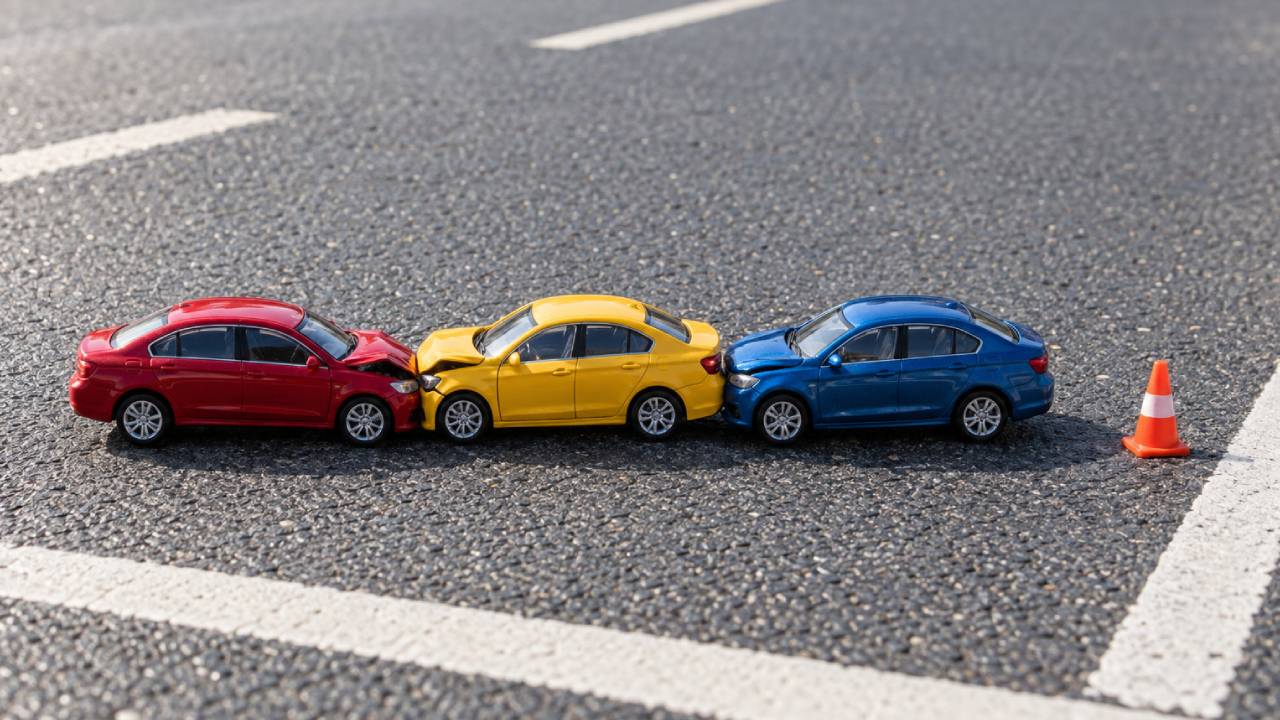
Rear-end chain collisions are common, especially when vehicles are following too closely. Usually, the driver at the rear is presumed at fault if they strike a stopped vehicle, but in a stack of cars, drivers in the middle may share responsibility if they didn't stop promptly.
Other recurring scenarios include crashes triggered by sudden stops, road debris, or unclear right-of-way at intersections. Lane changes or merging errors can set off a cascade of secondary impacts. Disputes often arise regarding the initial cause, especially when several collisions happen in rapid succession.
Evidence shaping liability findings
Police reports provide an initial overview, but they may not capture every detail in chaotic, multi-car accidents. Witness accounts can clarify events, but perspectives often differ. Photos, dashcam footage, and nearby traffic cameras supply visual records. Crash reconstruction experts may analyze damage patterns, vehicle positions, and electronic data from event recorders or telematics systems to build timelines.
Shared fault and claim implications
When more than one driver shares liability, your financial recovery may be reduced by any portion of fault assigned to you. Multiple insurance policies often come into play, with insurers sometimes disputing the extent of each driver’s responsibility. These overlapping narratives can contribute to delays or contention in resolving claims.
Protecting your rights after a multi-vehicle crash
Documenting the accident scene thoroughly, taking photos of vehicle locations, damage, and any visible injuries, can support later liability assessments. Seeking prompt medical attention helps connect injuries to the crash. Preserving evidence before repairs or tows occur is also key.
When liability is particularly complex or disputed, seeking advice from qualified professionals, such as The Husband & Wife Law Team (more information is available on their homepage), helps ensure that your legal interests are fully considered before entering negotiations or litigation.
Sponsored Ads

Sponsored Ads