
Sponsored Ads

Sponsored Ads

What Injuries Can a Victim of a Public Bathroom Slip and Fall Accident Suffer?
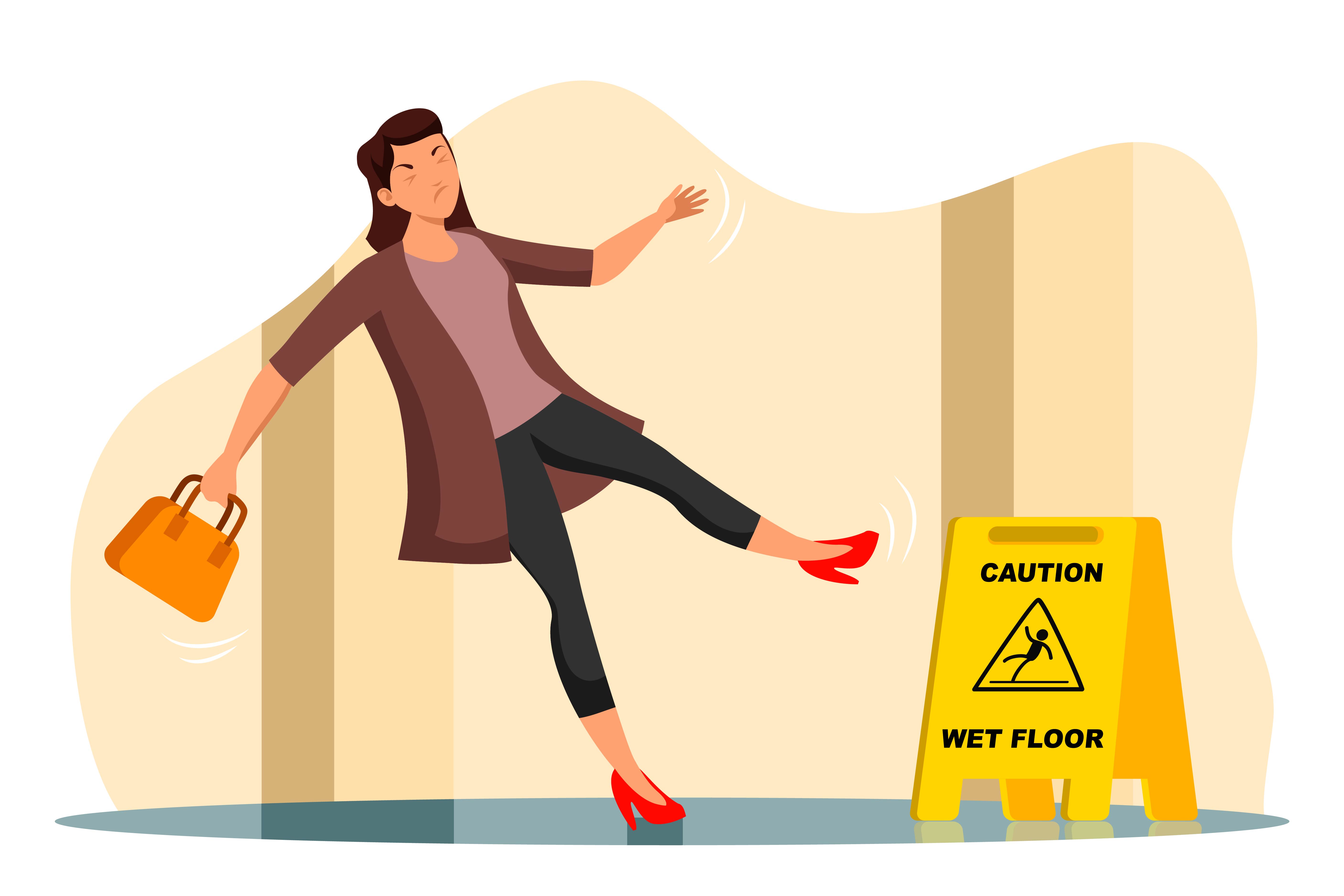
A public bathroom may seem like an ordinary place, but wet floors, soap residue, leaking fixtures, poor drainage, uneven surfaces, and hard flooring can create serious slip-and-fall hazards. When someone slipped in the bathroom and landed against a hard floor, wall, toilet, sink, or other fixture, the resulting injuries can range from minor bruising to fractures, spinal damage, or traumatic brain injuries.
The severity of a bathroom fall depends on several factors, including the person's age, how they landed, the surface involved, the height of the fall, and whether the person's head or another vulnerable part of the body struck a hard object.
Understanding these injuries is important because some symptoms may appear immediately, while others develop hours or even days later. In some circumstances, an injured person may also have grounds to pursue slip injury compensation when another party's negligence contributed to the dangerous condition.
Why Can a Slip and Fall in a Bathroom Cause Serious Injuries?
Bathrooms present several conditions that can increase the consequences of a fall.
Unlike carpeted or softer surfaces, bathroom floors are commonly made from ceramic tile, porcelain, stone, concrete, or other hard materials. A person who loses traction can therefore strike the floor with substantial force.
There may also be fixtures close to the walking area. A person falling backward could hit their head against a wall or floor, while someone falling sideways could strike a sink, toilet, counter, or other structure.
Water is another important factor. A floor that appears only slightly damp can become significantly less stable when combined with soap, cleaning products, body oils, or other substances.
The risk is particularly important for older adults. According to the CDC, more than one in four adults aged 65 and older falls each year. The agency also reports approximately 3 million emergency department visits and about 1 million hospitalizations related to falls among older adults annually.
These figures are not specific to public bathrooms, but they demonstrate why falls should not automatically be treated as minor incidents.
Common Injuries From Bathroom Slip and Fall Accidents
A person can experience several different types of injuries after a bathroom fall. Some may heal relatively quickly, while others can require surgery, rehabilitation, or long-term treatment.
1. Bruises, Cuts, and Abrasions
Minor falls may result in bruising, scrapes, abrasions, or small cuts.
These injuries can occur when the body hits the floor or comes into contact with bathroom fixtures. Although they may appear less serious than a fracture or head injury, pain and swelling can still interfere with normal activities.
A cut may also require medical attention if it is deep, continues bleeding, becomes infected, or damages underlying tissue.
2. Sprains and Strains
A sudden loss of balance can force muscles, tendons, and ligaments beyond their normal range of movement.
Common examples include:
- Ankle sprains
- Knee sprains
- Wrist injuries
- Shoulder strains
- Muscle strains in the back or neck
These injuries can cause pain, swelling, stiffness, and reduced mobility. In some cases, physical therapy may be recommended during recovery.
3. Broken Bones and Fractures
A person instinctively may extend their hands or arms when falling. As a result, wrists, arms, shoulders, and elbows can absorb substantial force.
Bathroom falls can also result in fractures involving the:
- Hip
- Ankle
- Wrist
- Arm
- Shoulder
- Leg
- Ribs
- Pelvis
Hip fractures are particularly concerning among older adults. CDC data indicates that nearly 319,000 older adults are hospitalized for hip fractures each year, and falls account for a large majority of hip-fracture emergency department visits and hospitalizations.
4. Head Injuries and Concussions
A person who falls backward or sideways may strike their head against the floor, wall, sink, or another fixture.
Possible consequences include:
- Concussion
- Head laceration
- Skull fracture
- Brain bleeding
- Traumatic brain injury
Symptoms can include headaches, dizziness, confusion, nausea, balance problems, sensitivity to light, memory problems, or unusual fatigue.
Falls are particularly important in discussions about traumatic brain injuries. CDC data identifies falls as the most common cause of TBI-related hospitalizations, and its latest TBI data estimates approximately 214,110 TBI-related hospitalizations in 2020 and 68,663 TBI-related deaths in 2023.
A person should not assume that a head injury is minor simply because there is no visible wound.
5. Back and Spinal Injuries
Landing awkwardly can place significant stress on the spine.
Potential injuries include:
- Herniated or bulging discs
- Vertebral fractures
- Spinal strains
- Nerve damage
- Spinal cord injuries
Symptoms such as persistent back pain, numbness, tingling, weakness, or difficulty walking should receive prompt medical evaluation.
Serious spinal injuries may affect a person's mobility and ability to work for an extended period.
6. Shoulder and Joint Dislocations
A fall can cause a joint to move outside its normal position.
Shoulder dislocations are particularly possible when a person tries to stop a fall with an outstretched arm. Knees, elbows, and other joints can also be affected.
A dislocation generally requires medical treatment and should not be forced back into position without professional care.
7. Knee and Leg Injuries
A sudden twisting movement during a slip can injure the knee even if the person does not land directly on it.
Potential injuries include ligament damage, meniscus injuries, strains, sprains, and fractures.
A serious knee injury may make walking, climbing stairs, standing, or working difficult.
8. Facial and Dental Injuries
A forward fall can cause the face to strike a hard surface.
This may result in:
- Broken or chipped teeth
- Facial cuts
- Jaw injuries
- Nose fractures
- Facial bruising
- Eye-area injuries
Dental treatment can also create expenses that continue long after the initial accident.
Minor Injuries Can Still Affect a Person's Life
Not every bathroom fall results in a major fracture or hospitalization.
A person may experience what appears to be a minor injury, such as a sprain, bruise, or strain. However, the injury may still result in medical expenses, missed work, medication costs, physical therapy, or restrictions on everyday activities.
This is why slip and fall minor injury settlements should not be evaluated solely by looking at the visible injury.
The value of an injury claim, where a valid claim exists, can depend on factors such as medical expenses, lost income, pain and suffering, the duration of recovery, the effect on daily activities, and the evidence establishing responsibility.
There is no universal settlement amount for a bathroom fall. Two people with similar-looking injuries may have very different outcomes because their medical histories, losses, evidence, and applicable state laws differ.
Injuries May Not Always Appear Immediately
One important reason to take a bathroom fall seriously is that some injuries can have delayed symptoms.
For example, a person may initially feel embarrassed or shaken and assume they are fine. Later, they may develop increasing pain, dizziness, headaches, stiffness, or difficulty moving.
This can happen with some soft-tissue injuries and head injuries.
A medical professional can determine whether further evaluation or treatment is necessary. Seeking medical care also creates a contemporaneous record of the injury and the treatment recommended.
Emotional Effects After a Bathroom Fall
The effects of a fall are not always physical.
Someone who has experienced bathroom slip and fall accidents may become nervous about walking on wet floors or using public restrooms. A serious injury may also lead to frustration, anxiety, reduced independence, or difficulty returning to normal activities.
For an older adult, the consequences can be particularly significant because an injury may interfere with mobility and independence.
CDC research emphasizes that falls can reduce independence among older adults and that fall-related injuries can result in substantial medical and personal consequences.
What Should You Do After Slipping in a Public Bathroom?
Taking appropriate steps immediately after an accident can help protect both your health and your ability to document what happened.
Seek medical attention
Get medical attention when an injury causes significant pain, swelling, bleeding, difficulty moving, loss of consciousness, dizziness, confusion, or other concerning symptoms.
Even when symptoms initially seem manageable, follow-up care may be appropriate if they persist or worsen.
Report the accident
Tell the business, property manager, facility employee, or other responsible representative about the accident.
Ask whether an incident report will be prepared and request information about how to obtain a copy if one is available.
Photograph the dangerous condition
If you can safely do so, photograph:
- The wet or slippery area
- The substance that caused the fall
- Nearby warning signs
- The condition of the flooring
- Any visible leaks
- The surrounding bathroom area
- Your visible injuries
Photographs can be especially useful because a hazardous condition may be cleaned or repaired shortly after the accident.
Identify witnesses
If someone saw the accident or noticed the dangerous condition before the fall, obtain their contact information if possible.
Witness testimony may help establish what happened when the circumstances are disputed.
Keep medical records and receipts
Save medical bills, prescriptions, treatment records, transportation expenses, and other documentation related to the injury.
If the injury causes you to miss work, keep records showing the dates and financial effect of the absence.
When Can a Bathroom Fall Lead to Compensation?
A fall does not automatically mean that another person or business is legally responsible.
In a premises liability claim, the injured person's ability to recover may depend on factors such as:
- Whether a dangerous condition existed
- Whether the property owner or occupier had a duty to maintain reasonably safe premises
- Whether the responsible party knew or should reasonably have known about the hazard
- Whether the hazard was repaired or warnings were provided
- Whether the dangerous condition caused the injury
- Whether the injured person contributed to the accident
- The laws and deadlines applicable in the relevant jurisdiction
For example, a business may face questions about whether employees knew about a leaking pipe, whether the bathroom was inspected regularly, whether a recently mopped floor had appropriate warnings, or whether a recurring problem had previously been reported.
The specific legal requirements vary by state and by the circumstances of the accident.
What Compensation May Be Available for Slip and Fall Injuries?
Depending on the circumstances and applicable law, a successful claim may seek compensation for losses such as:
Medical expenses
This can include emergency treatment, diagnostic testing, hospital care, surgery, medication, physical therapy, rehabilitation, and future medical needs supported by evidence.
Lost wages
A serious injury may prevent someone from working temporarily or permanently.
A claim may potentially include lost income or reduced earning capacity when supported by the applicable law and evidence.
Pain and suffering
A person may experience physical pain and emotional distress after an accident.
The extent of these damages can depend on the severity and duration of the injury and its effect on everyday life.
Long-term care and rehabilitation
Severe injuries may require continuing treatment, assistive equipment, rehabilitation, or other services.
The financial impact can therefore extend well beyond the initial emergency-room visit.
Why Documentation Matters in a Bathroom Fall Claim
One of the biggest weaknesses in many fall claims is insufficient evidence.
A person may remember slipping on water, but the property owner or insurer may later dispute whether the substance was present, how long it had been there, or whether anyone knew about it.
Useful evidence can include:
- Photographs and videos
- Incident reports
- Medical records
- Witness statements
- Surveillance footage
- Cleaning and inspection records
- Maintenance records
- Prior complaints
- Communications with the property owner
- Employment and wage records
Surveillance footage can be particularly important because businesses may have cameras covering entrances, hallways, or areas near restrooms. The footage may not remain available indefinitely, so documenting the incident promptly can be important.
How an Injury Lawyer May Help
A personal injury lawyer can evaluate whether the facts support a premises liability claim and help identify evidence that may be relevant.
Depending on the circumstances, legal assistance may involve:
- Reviewing medical documentation
- Identifying potentially responsible parties
- Investigating the dangerous condition
- Requesting or preserving relevant evidence
- Communicating with insurance companies
- Calculating documented losses
- Negotiating a potential settlement
- Preparing the case for litigation when necessary
People researching compensation for slip and fall injuries should understand that legal responsibility and damages are fact-specific. An attorney can provide advice based on the jurisdiction and circumstances of the individual case.
Related Information About Slip and Fall Accidents
Bathroom falls are part of a broader category of premises liability accidents. Readers who want to understand other causes can learn more about the 5 Reasons For Slip and Fall Accidents in Public Bathrooms, including common environmental and maintenance hazards.
Slip and fall risks can also vary depending on the location. Those interested in how population density, building conditions, and public environments can influence fall risks may want to explore Why Slip and Fall Accidents are Common in High-Profile Cities.
For readers dealing with a head injury after a fall, additional information about the role of legal representation is available in Importance of an Injury Lawyer in a TBI Case: How They Can Assist You.
Frequently Asked Questions
Q1. What are the most common injuries from a bathroom slip and fall?
Common injuries include bruises, sprains, strains, fractures, head injuries, concussions, back injuries, dislocations, knee injuries, and facial or dental trauma. The severity depends on factors such as how the person fell and what they struck.
Q2. Can you get compensation for a slip and fall in a public bathroom?
Potentially, but a fall alone does not establish liability. A claim may depend on whether another party was legally responsible for the dangerous condition and whether that condition caused the injury. State laws and individual facts can significantly affect the outcome.
Q3. Are minor slip and fall injuries eligible for compensation?
A minor injury may still result in a claim when the legal requirements for liability are met. Medical expenses, lost income, treatment requirements, and other documented losses may be relevant when determining damages.
Q4. What if I slipped in the bathroom but did not notice the hazard until after I fell?
You should still document the accident and report it as soon as possible. Photographs, witness information, medical records, incident reports, and other evidence may help establish what happened.
Q5. How long after a bathroom fall can symptoms appear?
Some injuries, particularly certain soft-tissue and head injuries, may not produce obvious symptoms immediately. Anyone experiencing new or worsening symptoms after a fall should seek appropriate medical evaluation.
Q6. Should I see a doctor after a bathroom fall?
If you experience significant pain, swelling, bleeding, dizziness, confusion, loss of consciousness, difficulty walking, or other concerning symptoms, prompt medical evaluation is important. A healthcare professional can determine whether additional testing or treatment is necessary.
Final Thoughts
A public bathroom slip and fall should not automatically be dismissed as a minor accident. Hard flooring, water, cleaning products, leaks, poor maintenance, and nearby fixtures can turn a simple loss of balance into a significant injury.
The consequences can include fractures, head trauma, spinal injuries, soft-tissue damage, lost income, medical expenses, and emotional distress. For older adults in particular, falls can have serious consequences: CDC data shows that falls are the leading cause of injury among adults aged 65 and older, with millions of emergency department visits occurring each year.
If you slipped in the bathroom, prioritize your health first. Seek appropriate medical care, report the incident, preserve available evidence, and keep records of your treatment and losses.
Where another party may have been responsible for an unsafe condition, understanding your legal rights can help you determine whether pursuing compensation is appropriate. Because premises liability laws differ by jurisdiction, case-specific legal advice is important before making decisions about a potential claim.
Sponsored Ads

Sponsored Ads