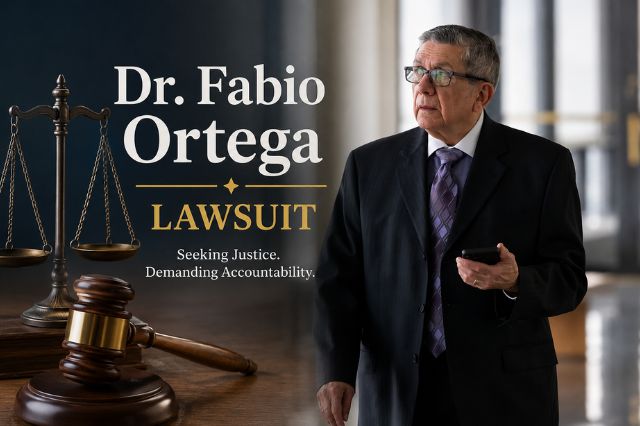
Dr. Fabio Ortega Lawsuit: Sexual Abuse Allegations, Legal Rights, and What Victims Need to Know in 2026
Jonas Hill - 2026-06-18

Sponsored Ads

Sponsored Ads

CASE SUMMARY
Dr. Fabio Ortega, a licensed physical therapist formerly employed at New York-Presbyterian Hospital and affiliated clinical facilities, faces multiple civil lawsuits alleging sexual abuse and sexual assault of patients during treatment sessions. Plaintiffs allege that Ortega used the guise of legitimate physical therapy to commit acts of sexual misconduct against vulnerable patients. New York state civil courts have received numerous claims from victims. Institutional liability claims have been filed against the employing hospital for negligent hiring, supervision, and retention. Criminal charges have also been filed. Civil litigation remains active with settlement negotiations ongoing as of 2026.
The Dr. Fabio Ortega lawsuit has drawn significant public and legal attention as one of the most serious sexual abuse cases involving a licensed healthcare professional in New York. Fabio Ortega, a physical therapist who worked at New York-Presbyterian Hospital and associated clinical settings, has been named in multiple civil lawsuits alleging that he sexually abused and sexually assaulted patients during treatment sessions over an extended period. The Fabio Ortega allegations center on claims that he used the professional setting and the physical nature of therapy to commit deliberate acts of sexual misconduct against patients who had placed their trust in him as a healthcare provider.
This article provides a comprehensive legal overview of the Dr. Fabio Ortega sexual abuse lawsuit, including the nature of the allegations, the legal theories supporting victim claims, the institutional liability of the employing hospital, the legal complications involved, who qualifies to file a claim, and the current status of the Fabio Ortega lawsuit as of 2026.
Fabio Ortega worked as a licensed physical therapist in New York, primarily at New York-Presbyterian Hospital, one of the most prominent medical institutions in the United States. Physical therapists occupy a position of significant professional trust because their work requires direct physical contact with patients, often in private or semi-private clinical settings. Patients receiving physical therapy are frequently in vulnerable physical and emotional states due to injury, surgery, or chronic pain, which makes them particularly susceptible to abuse by a trusted provider.
The Fabio Ortega abuse lawsuit alleges that Ortega exploited this professional relationship and the physical access afforded by his role to commit repeated acts of sexual abuse against patients under his care. Plaintiffs allege these acts occurred during what appeared to be routine therapy sessions, making it difficult for victims to immediately identify the conduct as criminal rather than clinical.
The core of the Dr. Fabio Ortega sexual abuse lawsuit involves allegations by multiple women that Ortega engaged in nonconsensual sexual touching and sexual assault during scheduled physical therapy appointments. According to civil court filings, the alleged conduct includes inappropriate touching of intimate areas under the pretext of therapeutic manipulation, sexual contact without patient consent, and deliberate exploitation of the patient-provider relationship to facilitate abuse.
Plaintiffs in the Fabio Ortega sexual assault lawsuit allege that they reported concerns or that the conduct occurred in environments where institutional supervision was insufficient to detect or prevent abuse. The number of women who have sued Dr. Fabio Ortega continues to grow as additional victims have come forward following public reporting of the case, which is a common pattern in institutional sexual abuse litigation.
The Dr. Fabio Ortega lawsuit operates within the framework of civil tort law in New York state courts. Unlike criminal prosecution, which the state brings against a defendant to impose punishment, civil lawsuits are filed by victims directly to seek monetary compensation for the harm suffered. The two legal actions can proceed simultaneously, meaning criminal charges against Ortega and civil claims by victims are not mutually exclusive.
Civil claims in the Fabio Ortega abuse lawsuit are grounded in several distinct legal theories:
• Battery: Intentional, nonconsensual physical contact of a sexual nature constitutes civil battery under New York law, and each act of abuse may be treated as a separate actionable offense.
• Sexual abuse and assault: Civil claims for sexual assault allow victims to seek compensatory and punitive damages independent of criminal proceedings.
• Negligent hiring: Plaintiffs allege New York-Presbyterian Hospital failed to conduct adequate background screening before employing Ortega.
• Negligent supervision: The hospital is alleged to have failed to implement oversight protocols that would have detected or prevented ongoing abuse.
• Negligent retention: Claims allege the institution continued to employ Ortega despite warning signs or complaints that should have prompted investigation.
• Breach of fiduciary duty: Healthcare providers owe patients a duty of care that includes protection from abuse within the clinical environment.
A critical element of the Fabio Ortega lawsuit is the institutional liability claims filed against New York-Presbyterian Hospital. In sexual abuse cases involving employed healthcare professionals, institutions bear significant potential liability when plaintiffs can demonstrate that the employer knew or should have known about the risk posed by the employee and failed to act.
Under the doctrine of respondeat superior, an employer may be held vicariously liable for wrongful acts committed by an employee within the scope of employment. However, because sexual abuse falls outside the scope of legitimate employment, plaintiffs in the Ortega case primarily pursue direct negligence theories against the hospital, arguing that institutional failures in hiring, supervision, and complaint response created the conditions that allowed abuse to occur and continue.
Institutional defendants in sexual abuse cases often have substantially greater financial resources than individual perpetrators, making the hospital a strategically important defendant in achieving meaningful compensation for Fabio Ortega victims.
One of the most significant legal developments affecting the Fabio Ortega sexual assault lawsuit is New York's Adult Survivors Act, which created a one-year revival window allowing adult survivors of sexual abuse to file civil claims regardless of when the abuse occurred, even if the standard statute of limitations had expired. This window opened in November 2022 and closed in November 2023. Victims who filed during this period may have claims that would otherwise have been time-barred. Cases filed after the window closed must fall within the standard limitations period unless another legal exception applies.
Demonstrating that New York-Presbyterian Hospital had prior knowledge of Ortega's conduct or sufficient warning signs is legally complex. Defendants routinely argue they had no notice of abuse before formal complaints were received. Plaintiffs counter this with document discovery requests targeting HR records, prior complaints, supervision logs, and credentialing files to establish what the institution knew and when.
In institutional sexual abuse cases, defendants frequently seek to resolve claims with confidential settlements that include nondisclosure provisions. While such agreements may offer faster compensation, they can also limit public accountability and prevent future victims from learning about prior incidents. Victims should obtain qualified legal counsel before signing any settlement agreement or confidentiality provision.
Criminal charges against Ortega, if prosecuted, run parallel to civil litigation but operate under different standards of proof. Criminal conviction requires proof beyond a reasonable doubt, while civil liability requires only a preponderance of the evidence, meaning more likely than not. A criminal conviction can significantly strengthen a victim's civil case, but civil claims may proceed and succeed even if criminal charges are not brought or result in acquittal.
Individuals who may qualify to file a claim in the Dr. Fabio Ortega sexual abuse lawsuit include anyone who received physical therapy services from Fabio Ortega and experienced nonconsensual sexual contact, inappropriate touching, or sexual assault during treatment. Qualification generally depends on the ability to document the treatment relationship through medical records, demonstrate the occurrence of abuse, and establish that the harm caused compensable damages including physical injury, emotional distress, psychological trauma, and loss of trust in medical care.
Victims who used the New York Adult Survivors Act revival window and those whose abuse falls within the applicable limitations period are most strongly positioned to file claims. Anyone who believes they were abused by Ortega should consult a sexual abuse attorney promptly to evaluate their eligibility.
The current status of the Dr. Fabio Ortega lawsuit reflects active civil litigation with multiple cases proceeding through New York state courts. Settlement negotiations between plaintiffs and institutional defendants are ongoing. No comprehensive global settlement has been publicly announced as of 2026. Criminal proceedings, where applicable, continue separately. Victims and legal observers anticipate continued developments throughout 2026 as discovery progresses and cases approach trial schedules.
Victims in the Fabio Ortega settlement process may be eligible to recover compensation for the following categories of harm:
• Physical pain and bodily injury caused by the abuse
• Emotional distress, anxiety, depression, and post-traumatic stress disorder
• Cost of psychological counseling and ongoing mental health treatment
• Loss of trust in medical providers and resulting healthcare avoidance
• Lost wages from psychological inability to work
• Punitive damages in cases involving gross institutional negligence
What is the Dr. Fabio Ortega lawsuit about?
The lawsuit involves civil claims by multiple patients alleging that Fabio Ortega, a licensed physical therapist, sexually abused and assaulted them during treatment sessions at New York-Presbyterian Hospital.
What is the current status of the Fabio Ortega lawsuit?
Civil litigation remains active in New York state courts as of 2026, with multiple claims pending, discovery ongoing, and no global settlement publicly announced.
Can victims still file a claim against Fabio Ortega?
Victims whose abuse falls within the applicable statute of limitations or who filed during New York's Adult Survivors Act revival window may still pursue civil claims, and consulting a sexual abuse attorney immediately is strongly advised.
Who qualifies for the Fabio Ortega settlement?
Patients who received treatment from Ortega and experienced nonconsensual sexual contact during sessions, and who can support their claim with medical and treatment records, generally qualify to pursue compensation.
Did Dr. Fabio Ortega go to prison?
Criminal proceedings related to the allegations have been reported, but individuals should consult current legal news sources for the most recent updates on any criminal case status.
Legal Disclaimer
The content published on legalanalysis.org is provided for general informational and educational purposes only. It does not constitute legal advice and does not create an attorney-client relationship. The information in this article is based on publicly available court records, legal filings, and reported case developments. Individuals with legal questions related to the Dr. Fabio Ortega lawsuit or any sexual abuse claim should consult a licensed attorney in their jurisdiction. Laws and case statuses may change; readers should verify current information with qualified legal counsel.
Sponsored Ads

Sponsored Ads