
Sponsored Ads

Sponsored Ads

Introduction
Digital marketplaces have changed how people buy, sell, and exchange products. The model now extends beyond physical goods to services, software, subscriptions, digital content, and virtual gaming items.
That creates a legal question that is easy to overlook: when a transaction takes place through a digital platform, who is actually responsible when something goes wrong?
The answer depends on several factors, including the type of transaction, the country involved, the marketplace's terms, the nature of the digital item, and whether the transaction is authorized by the platform.
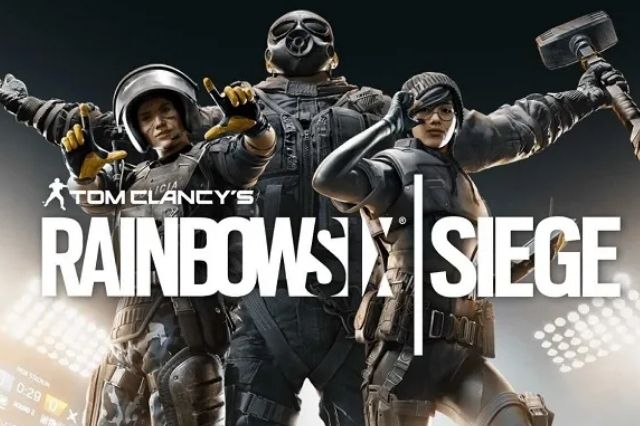
The R6 marketplace is a useful example because it was created as an official Ubisoft system for trading eligible Rainbow Six Siege items. However, Ubisoft has since paused the Marketplace while it works on changes to security and the game's economy.
This makes the R6 example particularly useful for understanding broader issues involving digital ownership, consumer protection laws, contracts, fraud, privacy, intellectual property, and legal risks in digital and gaming platforms.
What Is a Digital Marketplace?
A digital marketplace is an online platform that facilitates transactions between buyers and sellers. Unlike a traditional online store, the marketplace may not own the products being offered.
A marketplace can provide:
- Buyer and seller accounts
- Product or service listings
- Payment processing
- Order matching
- Reviews and reputation systems
- Fraud controls
- Dispute procedures
- Transaction records
The legal treatment can differ depending on what is being sold.
India's Consumer Protection (E-Commerce) Rules, 2020, for example, expressly cover goods and services bought or sold through digital or electronic networks, including digital products, and apply to both marketplace and inventory models of e-commerce.
India's Consumer Protection (E-Commerce) Rules, 2020
This is an important distinction: a digital marketplace is not legally outside the normal commercial system simply because the transaction occurs online.
What Laws Apply to Digital Marketplaces?
There is no single worldwide law governing every digital marketplace.
Several areas of law can apply at the same time.
Consumer protection laws
Consumer-protection rules can regulate misleading practices, disclosures, seller information, complaints, pricing, and other aspects of online commerce.
India's Department of Consumer Affairs publishes the Consumer Protection Act, 2019 and Consumer Protection (E-Commerce) Rules, 2020, while the European Union's Consumer Rights Directive establishes information requirements and consumer rights for distance contracts involving goods, services, and digital content.
Consumer Protection framework - Government of India
Contract law
The relationship between a platform and its users is also shaped by terms of service, purchase agreements, licenses, and other contractual documents.
Privacy law
Marketplaces can process account information, contact details, payment information, purchase histories, device information, and other personal data.
California's CCPA, for example, gives covered consumers rights to know what personal information businesses collect and to request deletion, subject to exceptions.
California Consumer Privacy Act - California Attorney General
Under the GDPR, individuals can have rights including access, correction, erasure, restriction of processing, portability, and objection, depending on the circumstances.
GDPR individual data rights - European Commission
Are Digital Marketplaces Required to Verify Sellers?
Not every marketplace is subject to the same verification requirements.
In the United States, the INFORM Consumers Act requires covered online marketplaces to collect and verify specified information from certain high-volume third-party sellers of consumer products. It also requires certain seller disclosures and a mechanism for consumers to report suspicious activity.
INFORM Consumers Act - Federal Trade Commission
The law is narrower than a general rule saying that every digital platform must identify every user. Its definition focuses on covered online marketplaces, consumer products, and high-volume third-party sellers.
That distinction matters when comparing a large retail marketplace with a gaming platform.
Are Click-to-Accept Terms Legally Binding?
A user agreement can form an important part of the contractual relationship between a consumer and a digital platform.
However, clicking "I agree" does not mean that every clause is automatically enforceable in every jurisdiction.
Users should pay particular attention to:
- Account suspension and termination
- Refund provisions
- Digital-content licenses
- Arbitration clauses
- Governing-law provisions
- Liability limitations
- Dispute procedures
- Rules concerning transfers and resale
- The platform's right to modify its terms
Ubisoft's current Terms of Use, for example, expressly state that its Services and Content are licensed rather than sold, and impose conditions on access to its Services and Content.
The practical lesson is simple: the terms governing a digital purchase can be just as important as the price displayed at checkout.
Digital Ownership Is Different From Physical Ownership
A major source of confusion in digital commerce is the assumption that paying for digital content always creates ownership equivalent to buying a physical object.
Often, the legal arrangement is different.
Ubisoft states that its Services and Content are licensed to users rather than sold. Its Terms also describe Ubisoft Virtual Currency as a limited license and state that the currency has no monetary value outside Ubisoft's Services.
Ubisoft's digital-content licensing terms
This means a player may pay for access to digital content without receiving unrestricted ownership of the underlying software, artwork, trademarks, or other intellectual property.
The distinction becomes important when an account is suspended, content is removed, or a user attempts to transfer something outside the platform.
R6 Marketplace: How It Worked
The Rainbow Six Siege Marketplace was an official Ubisoft web platform that allowed eligible players to trade eligible Siege items using R6 Credits.
Ubisoft originally described the Marketplace as a secure web platform where eligible players could trade skins. Access requirements included Clearance Level 25 and Two-Factor Authentication, while sanctions could affect Marketplace access.
Official Rainbow Six Siege Marketplace information - Ubisoft
The system was therefore fundamentally different from an unrelated third-party website selling R6 accounts or items.
When the Marketplace was operating, its structure included buying and selling through the platform rather than directly transferring accounts between players.
Ubisoft also introduced marketplace features such as price history, graphs, and item recommendations.
Is the R6 Marketplace Still Down in 2026?
Yes. The Marketplace remains closed as of September 2026.
Ubisoft's June 2026 announcement, titled “Marketplace & Economy: A New Direction,” was presented as an update on the Marketplace and the Siege economy. Ubisoft's current news listings continue to identify that announcement as the latest Marketplace-related update.
Ubisoft's Marketplace & Economy update
This is important for searches such as R6 marketplace down 2026, R6 marketplace relaunch, and R6 marketplace coming back.
A third-party website claiming that it is the "new official R6 Marketplace" should not be treated as proof of Ubisoft authorization. The safest source for reopening information is Ubisoft itself.
What Happened to R6 Marketplace Trading?
The Marketplace's history also demonstrates why gaming economies can create unusual legal and security problems.
Ubisoft has separately identified unauthorized transactions, account selling, buying, and trading as prohibited behavior under its Rainbow Six Siege Core Rules. The rules also prohibit buying or selling in-game currency or items through unofficial third-party websites or services.
Rainbow Six Siege Player Protection Core Rules - Ubisoft
This is an important distinction:
Official marketplace transaction:
The publisher creates and authorizes the mechanism.
Unofficial third-party transaction:
A separate website may be offering something that the publisher does not authorize.
A transaction can therefore be technically possible while still violating the game's contractual rules.
Can You Buy or Sell R6 Accounts?
Ubisoft's current Rainbow Six Siege Core Rules specifically identify account sharing, selling, buying, or trading as prohibited behavior. They also identify unauthorized transactions involving in-game currency, items, or accounts through unofficial third-party services.
Depending on the circumstances and enforcement decision, violations can lead to temporary restrictions, temporary bans, permanent bans, or permanent loss of access to the game.
Ubisoft's R6 account and transaction rules
Therefore, “Is buying an R6 account legal?” should not be answered simply with "yes" or "no."
There are two separate questions:
- Is the transaction prohibited by Ubisoft's platform rules?
- Does the transaction violate a particular law in the buyer's or seller's jurisdiction?
A breach of platform terms is not automatically the same thing as a criminal offense. But it can still expose a player to account sanctions and loss of access.
What Are the Legal Risks of Unofficial Gaming Marketplaces?
Unofficial gaming marketplaces can create several layers of risk.
Contractual risk
The transaction may violate the game's Terms of Use or player rules.
Fraud risk
The buyer may pay for an item that never arrives, receive a compromised account, or become the target of phishing.
Account risk
The publisher may restrict or terminate an account involved in prohibited transactions.
Intellectual-property risk
Digital goods can incorporate copyrighted artwork, software, trademarks, and other protected material.
Payment risk
A transaction can create disputes involving refunds, chargebacks, unauthorized payments, or fraudulent payment methods.
For this reason, a website accepting payment is not evidence that the marketplace itself is authorized.
Consumer Protection Laws and Digital Gaming Purchases
Consumer-protection laws can still matter when a digital transaction goes wrong.
However, consumer rights are not identical worldwide.
India's Consumer Protection (E-Commerce) Rules apply to digital products and marketplace e-commerce and include provisions addressing e-commerce entities and consumer interests.
Consumer Protection (E-Commerce) Rules - Government of India
The EU's Consumer Rights Directive also establishes information requirements for digital content and online consumer contracts.
EU digital-content consumer rights
These laws can provide important protections, but they do not necessarily transform an unauthorized gaming transaction into an authorized one.
That distinction is particularly important when a user voluntarily purchases an account or item through a website that the game publisher does not recognize.
What Should You Do If You Are Scammed?
If a digital marketplace transaction goes wrong, preserve the evidence before deleting messages or closing accounts.
Keep:
- Payment receipts
- Order numbers
- Screenshots of listings
- Seller information
- Emails and messages
- Transaction dates
- Refund requests
- Platform responses
- Relevant terms shown at checkout
Then contact the marketplace through its official support channel.
For covered U.S. marketplaces, the INFORM Consumers Act also requires a reporting mechanism for suspicious marketplace activity involving covered high-volume sellers.
FTC marketplace fraud and seller-reporting guidance
If the transaction involves suspected fraud, consumers can also consider the appropriate consumer-protection or law-enforcement reporting system in their jurisdiction.
Privacy and Personal Data
Digital marketplaces often have access to information that ordinary physical markets never collect.
Depending on the platform, this may include:
- Account details
- Email addresses
- Payment information
- Purchase history
- Device information
- IP addresses
- Authentication information
- Communications
- Behavioral information
Privacy laws can give users rights over this information.
Under the CCPA, eligible California consumers have rights including knowing what personal information is collected, requesting deletion subject to exceptions, and opting out of certain sale or sharing activities.
California privacy rights - Attorney General
The GDPR similarly provides individuals with several rights concerning personal data, including access and erasure in appropriate circumstances.
GDPR data rights - European Commission
What Should You Check Before Using a Digital Marketplace?
A practical legal-safety check can prevent many disputes.
Check whether the marketplace is official
For gaming products, verify the platform through the publisher's official website.
Read the transfer rules
An item being technically transferable does not mean that every method of resale is permitted.
Understand what you are buying
Determine whether the transaction gives you ownership, a license, access, or an account entitlement.
Check refund rules
Do not assume every digital purchase can automatically be refunded.
Check fees
Look for marketplace commissions, payment fees, taxes, currency-conversion charges, and withdrawal restrictions.
Protect your account
Use two-factor authentication and never provide passwords through unofficial links.
Keep transaction records
Screenshots and receipts can become important evidence if a dispute occurs.
Avoid account trading where prohibited
For Rainbow Six Siege, Ubisoft's current rules expressly prohibit account buying, selling, sharing, and trading.
Frequently Asked Questions
Q1. What is the R6 Marketplace?
The R6 Marketplace was Ubisoft's official web platform for eligible Rainbow Six Siege players to trade eligible items using R6 Credits. Ubisoft originally required conditions including Clearance Level 25 and Two-Factor Authentication for access.
Q2. Is the R6 Marketplace still down?
Yes. Ubisoft's 2026 Marketplace and economy update confirms that the company is continuing work on the Marketplace and its wider Siege economy rather than treating the previous system as simply available again.
Q3. Can I sell my Rainbow Six Siege account?
Ubisoft's current Core Rules prohibit buying, selling, sharing, or trading Rainbow Six Siege accounts.
Q4. Can I buy R6 skins from an unofficial website?
That carries significant platform and fraud risk. Ubisoft's current rules prohibit unauthorized third-party transactions involving Siege items and accounts.
Q5. Do I own my digital gaming items?
Not necessarily in the same way you own a physical object. Ubisoft's Terms state that its Services and Content are licensed rather than sold.
Q6. Can consumer protection laws help if a marketplace scams me?
Potentially, depending on the transaction and jurisdiction. Consumer-protection laws can provide remedies for certain unlawful commercial practices, but the exact rights depend on the applicable law and facts.
Q7. What evidence should I keep after a marketplace dispute?
Keep receipts, screenshots, seller information, order records, payment confirmations, correspondence, and copies of relevant terms.
The Bottom Line
Digital marketplaces sit at the intersection of technology and traditional law. A transaction may involve consumer protection, contract law, privacy, taxation, intellectual property, payment rules, and platform-specific terms at the same time.
The R6 Marketplace illustrates this particularly well. Ubisoft created an official mechanism for trading eligible Siege items, but the publisher's current rules distinguish that authorized environment from unofficial third-party transactions. Ubisoft also prohibits account buying, selling, sharing, and trading.
For players researching R6 marketplace, the most important distinction is therefore not simply whether an online seller offers a skin, account, or item. The more important questions are:
Is the transaction authorized? What exactly is being transferred? What do the platform's terms permit? What happens if the account is suspended? And what consumer or privacy laws apply to the transaction?
Those questions are also useful far beyond Rainbow Six Siege.
As digital marketplaces continue to expand, consumers need to understand that paying for digital content does not necessarily mean obtaining unrestricted ownership, while platforms must manage increasingly complicated responsibilities involving transparency, security, privacy, fraud, and consumer rights.
The safest approach is straightforward: use authorized marketplaces, understand the terms before paying, protect account credentials, preserve transaction evidence, and verify the applicable consumer-protection rules when something goes wrong.
Last Revised: 01 September 2026
Disclaimer: This article is for general informational purposes only and does not constitute legal advice. Laws vary by jurisdiction, and platform terms can change. Readers should verify the current law and official platform policies before relying on this information.
Sponsored Ads

Sponsored Ads