
Sponsored Ads

Sponsored Ads

Table of Contents
1. What Is the Crepe Erase Lawsuit?
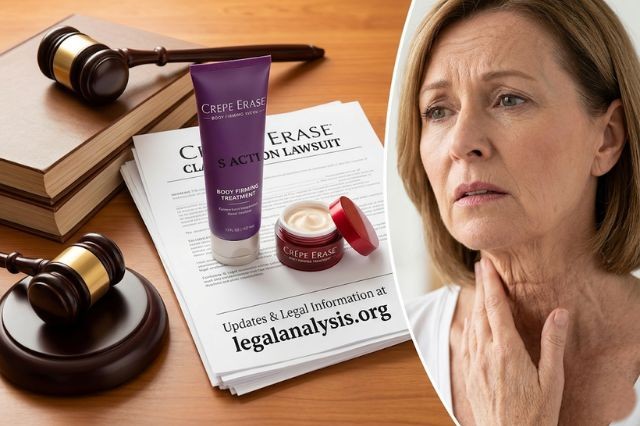
The Crepe Erase lawsuit refers to a series of consumer protection legal actions and class action complaints filed against Guthy-Renker LLC, the parent company behind the Crepe Erase skincare brand. The Crepe Erase legal action centers on two major categories of claims: false advertising of anti-aging skin cream results and deceptive auto-renewal subscription billing practices.
Consumers across the United States began raising Crepe Erase complaints about the product's marketed promises versus actual results. The Crepe Erase class action lawsuit consolidated these individual grievances into a formal legal proceeding that seeks compensation for affected buyers. As of 2026, the Crepe Erase litigation remains an active area of consumer law discussion, with portions of claims still being reviewed by courts.
2. Background: Guthy-Renker and Crepe Erase
Crepe Erase is an anti-aging skin cream line sold and distributed by Guthy-Renker LLC, a well-known direct-response marketing company. Guthy-Renker has a documented history of facing legal challenges linked to its advertising and subscription billing models across multiple product lines. Crepe Erase was heavily promoted through television infomercials, online ads, and celebrity endorsements targeting consumers concerned about crepey, aging skin.
The Guthy-Renker lawsuit history shows a pattern of consumer fraud complaints tied to auto-ship programs and misleading skincare advertisements. Crepe Erase marketing materials featured dramatic before-and-after visuals and language suggesting near-total wrinkle removal, which formed the basis of later deceptive marketing claims pursued in Crepe Erase litigation.
3. Core Legal Allegations in the Crepe Erase Lawsuit
The Crepe Erase false advertising lawsuit rests on the argument that marketing materials overstated the product's ability to reduce or eliminate crepey skin. Plaintiffs in the Crepe Erase consumer lawsuit alleged that the word "erase" in the brand name, combined with visual advertising, created a false impression of clinical-grade effectiveness. Court filings noted that independent lab tests showed only minor improvements in skin texture, contradicting the dramatic claims made in infomercials.
Key legal allegations include:
• Crepe Erase deceptive marketing claims: advertising suggested results not supported by scientific evidence.
• Cosmetic false advertising: visuals in infomercials overstated changes in skin appearance.
• Anti-aging product claims: brand implied near-miraculous results without adequate clinical backing.
• Consumer fraud lawsuit grounds: targeting emotionally vulnerable buyers seeking anti-aging solutions.
These allegations are legally significant because under United States law, specifically the FTC Act and various state consumer protection statutes, advertising claims for cosmetic products must be truthful, not misleading, and backed by competent and reliable scientific evidence.
4. Auto-Renewal and Subscription Billing Legal Complications
A major legal front in the Crepe Erase subscription lawsuit involves the company's auto-ship program. Many buyers reported enrolling in what they believed was a one-time purchase, only to find recurring monthly charges on their credit cards. This forms the core of the Crepe Erase auto-renewal lawsuit and the Crepe Erase billing complaints lawsuit.
Legal filings allege that Crepe Erase subscription cancellation problems were widespread, with customers reporting difficulty reaching customer service and continued invoicing even after cancellation requests. From a legal standpoint, these practices may constitute violations of the Restore Online Shoppers' Confidence Act (ROSCA), which requires clear disclosure of recurring billing terms before purchase completion.
The FTC advertising guidelines under the Negative Option Rule require that sellers disclose all material terms of subscription programs clearly and conspicuously before purchase. The 2024 FTC Click-to-Cancel rule update further tightened these standards, requiring companies to offer a cancellation method that mirrors the sign-up process. If Guthy-Renker failed to meet these standards with Crepe Erase products, that failure provides direct legal grounds for a recurring billing lawsuit and unfair business practices lawsuit claims.
5. US Consumer Protection Laws Involved in Crepe Erase Litigation
The Crepe Erase consumer protection lawsuit draws on multiple legal frameworks in the United States:
• FTC Act Section 5: Prohibits unfair or deceptive acts in commerce. Applies directly to misleading skincare advertisements and false product efficacy claims.
• ROSCA (Restore Online Shoppers' Confidence Act): Governs online negative option marketing and requires upfront disclosure of subscription terms.
• California Consumer Legal Remedies Act (CLRA): California law providing remedies for misleading advertising in consumer transactions.
• California Automatic Renewal Law (ARL): Requires businesses to clearly disclose, obtain affirmative consent to, and provide easy cancellation for recurring charges.
• State Unfair Business Practices Statutes: Applicable across multiple states where class members reside, reinforcing the unfair business practices lawsuit theory.
Courts handling skincare product lawsuits and anti-aging cream lawsuits similar to the Crepe Erase case have consistently held that companies must maintain adequate scientific substantiation for effectiveness claims before broadcasting them to the public. The FTC advertising guidelines define "competent and reliable scientific evidence" as tests, analyses, or studies conducted by qualified professionals following standards generally accepted in the relevant scientific field.
6. Settlement Details and Legal Status: Crepe Erase Lawsuit 2026
Reports published in early 2025 indicated that an $8 million settlement received court approval in the Crepe Erase settlement proceedings. The Crepe Erase settlement included financial compensation to eligible buyers, limitations on certain advertising language the company could use going forward, and enhanced disclosure requirements for subscription terms. The court did not require Guthy-Renker to admit fault, which is a standard feature of many consumer class action settlements in the United States.
As of June 2026, the Crepe Erase lawsuit status reflects a mixed picture. The primary settlement has been approved, but some related appeals and individual claims continue. The Crepe Erase lawsuit update for 2026 shows that affected consumers should monitor official court notices and consumer protection agency announcements for the latest Crepe Erase lawsuit latest news on payout timelines and eligibility windows. Those seeking details on the Crepe Erase lawsuit payout should consult the official settlement administrator or a qualified consumer rights attorney.
7. Who Qualifies and How to File a Claim
Crepe Erase lawsuit eligibility is generally determined by purchase date ranges and the nature of the consumer's experience. To qualify for the Crepe Erase class action lawsuit, a consumer typically must have purchased Crepe Erase products during a defined class period and suffered harm from either the misleading anti-aging product claims or the auto-renewal billing practices.
Steps to participate in or monitor the Crepe Erase consumer lawsuit include:
• Review billing history for unauthorized or unexplained recurring charges from Guthy-Renker.
• Retain all purchase receipts, email confirmations, and credit card statements as documentation.
• File a complaint with the FTC at ReportFraud.ftc.gov or your state attorney general's office.
• Check legal databases and settlement administrator websites for current claim filing deadlines.
• Consult a consumer rights attorney to assess individual eligibility for the Crepe Erase lawsuit payout.
For the question of how to file a claim in the Crepe Erase lawsuit, the answer depends on the specific settlement or court case in question. Most consumer class action settlements allow class members to submit claim forms online or by mail, requiring proof of purchase and a brief description of harm experienced. Missing the claim deadline typically forfeits the right to compensation from that settlement.
8. Frequently Asked Questions (FAQ)
Legal Disclaimer: This article is provided for general informational and educational purposes only and does not constitute legal advice. The information reflects publicly available sources as of June 2026. Readers should consult a licensed attorney for advice specific to their individual situation. legalanalysis.org is not a law firm and does not represent consumers in litigation.
Sponsored Ads

Sponsored Ads