Adriana Chechik Lawsuit: TwitchCon Injury, Legal Claims, and 2026 Case Update
Jonas Hill - 2026-06-23

Sponsored Ads

Sponsored Ads

CASE SUMMARY
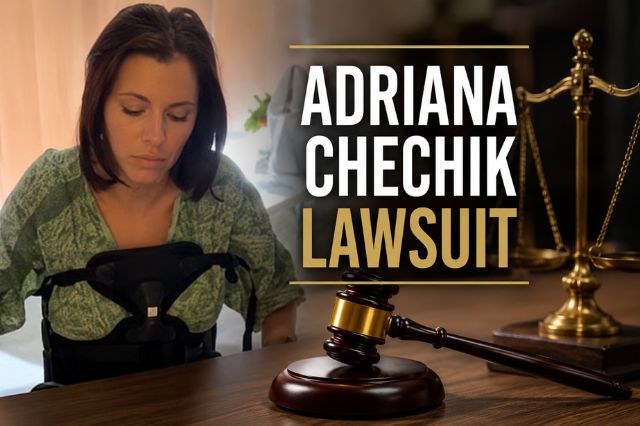
On October 8, 2022, Twitch streamer Adriana Chechik jumped into a dangerously shallow foam pit at TwitchCon San Diego, fracturing her spine in two places. The pit, sponsored by Lenovo Legion and Intel inside the San Diego Convention Center, lacked adequate depth and safety padding. Chechik required emergency spinal surgery involving a metal rod implant, suffered permanent nerve damage, and lost a pregnancy discovered at the hospital. As of mid-2026, no verified public court filing exists, but legal analysts and court observers broadly conclude a confidential settlement was reached, likely before California's two-year statute of limitations expired in October 2024.
• The foam pit at TwitchCon 2022 was critically undersized, creating clear premises liability exposure for multiple defendants.
• California's two-year personal injury statute of limitations (CCP Section 335.1) meant any claim had to be filed or settled by October 2024.
• Liability waivers signed at events cannot shield defendants from gross negligence under California law, per City of Santa Barbara v. Superior Court (2007).
• Legal experts estimate Chechik's potential damages at $1 million to $3 million or more, based on injury severity, lost earnings, and ongoing medical costs.
• No public lawsuit record has been confirmed in San Diego County or federal courts, strongly suggesting a confidential private settlement was reached.
TwitchCon San Diego 2022 ran from October 7 to 9 at the San Diego Convention Center and drew thousands of content creators, fans, and corporate sponsors. Among the featured attractions was a Lenovo Legion and Intel co-sponsored interactive zone styled after the television competition show American Gladiators. Attendees could duel each other with foam-padded weapons on raised platforms and then fall or jump into a foam pit below.
On October 8, 2022, Adriana Chechik, a Twitch streamer and adult entertainment actress with hundreds of thousands of followers, competed in the gladiator-style challenge. After winning her round, she jumped from the platform and landed tailbone-first in the pit. Video footage of the incident spread rapidly across social media. Chechik was immediately unable to stand and reported severe pain. Medical staff attended to her at the venue before she was transported for emergency treatment.
Doctors confirmed that Chechik broke her back in two places, requiring surgery during which surgeons implanted a metal rod to stabilize her spine. She also suffered permanent bladder nerve damage. In a further devastating development, Chechik revealed on October 29, 2022, that doctors discovered she was pregnant when she arrived at the hospital. She could not continue the pregnancy because the life-saving spinal surgery was medically necessary. The pit was reported to be only a few feet deep, with bare concrete beneath a thin layer of foam blocks, far below the safety standards the Consumer Product Safety Commission recommends for foam pits used in physical activities.
Chechik was not alone. Streamer LochVaness dislocated her kneecap at the same attraction on October 8 and required on-site medical assistance, followed by months of rehabilitation. A first-day attendee was also seen leaving the venue in a foot and ankle brace. Multiple other attendees reported minor injuries on social media platforms.
The Adriana Chechik TwitchCon injury lawsuit sits squarely within premises liability law, one of the most established areas of personal injury law in the United States. Under California Civil Code and common law tort principles, property owners, event organizers, and parties who control a physical space owe a duty of reasonable care to all lawful visitors. When a dangerous condition on the property causes harm, the responsible parties face liability for resulting damages.
Legal analysts identified at least four parties who could carry legal exposure in the Adriana Chechik accident claim:
• Twitch Interactive (a subsidiary of Amazon): As the event organizer responsible for overall convention safety standards and vendor oversight.
• Lenovo: As the primary operator of the foam pit booth, responsible for the design, construction, and safety of the physical attraction.
• Intel: As a co-sponsor of the booth, potentially sharing liability for the unsafe design and operation of the activation.
• San Diego Convention Center: As the venue owner with a general duty to ensure that attractions hosted within its premises comply with safety codes.
No single party has admitted fault. Twitch issued a public apology shortly after the incident but did not accept legal responsibility. Reports at the time also noted that neither Twitch, Lenovo, nor Intel personally contacted Chechik or LochVaness following their injuries, a fact that legal commentators observed could weigh against the defendants in any negligence analysis.
A central legal question in the Adriana Chechik negligence lawsuit concerned the liability waiver that TwitchCon attendees signed as part of the registration process. Event organizers frequently require attendees to sign agreements releasing them from liability for injuries that occur during participation in event activities. Whether such waivers hold up in court depends heavily on state law and the specific facts.
In California, the law draws a critical distinction between ordinary negligence and gross negligence. Under California precedent, including the landmark decision in City of Santa Barbara v. Superior Court (2007), courts have established that a liability waiver may bar a claim for ordinary negligence, but it cannot bar a claim based on gross negligence. Gross negligence is defined as conduct that amounts to a reckless disregard for the safety of others, going well beyond a simple mistake or careless act.
Legal experts who analyzed the publicly available evidence from TwitchCon overwhelmingly concluded that the foam pit's design met the definition of gross negligence under California law. Video footage showed a clearly shallow pit beneath a raised platform from which participants were actively encouraged to fall or jump. The Consumer Product Safety Commission recommends several feet of foam depth and proper padding to protect against spinal injury in such attractions. The pit at TwitchCon appeared to offer a fraction of that protection. Multiple injuries occurring on the same attraction further strengthened the gross negligence argument.
The practical implication: even if attendees signed a waiver, the waiver would likely not have protected the defendants from the Adriana Chechik compensation claim if the case had proceeded to trial.
In a successful premises liability case, an injured plaintiff in California can typically recover two categories of damages.
• Medical expenses: Emergency surgery, hospitalization, spinal hardware, post-operative care, and ongoing rehabilitation.
• Lost wages and earning capacity: Chechik's career as an entertainer and streamer with a large online following was directly impacted. Lost earning capacity can represent a significant component of damages in high-income cases.
• Pain and suffering: Physical pain and emotional distress caused by the injury and its lasting consequences.
• Ongoing medical costs: Permanent nerve damage and continued reliance on back braces point to long-term medical expenses.
Under California Civil Code, punitive damages are available only when the defendant's conduct amounts to malice, oppression, or fraud. Legal analysts reviewing the TwitchCon foam pit accident generally concluded that while the case was strong for compensatory damages, punitive damages would be difficult to establish absent evidence of intentional wrongdoing. Comparable event injury cases in California and other states have produced multi-million dollar compensatory verdicts, reinforcing the substantial value of a well-documented injury claim.
As of mid-2026, no public lawsuit filed by Adriana Chechik against Twitch, Lenovo, Intel, or the San Diego Convention Center has been confirmed in San Diego County Superior Court or federal court records. This absence of a public filing is significant from a legal standpoint, but it does not mean no legal action was taken.
California Code of Civil Procedure Section 335.1 sets a two-year statute of limitations for personal injury claims. Chechik's injury occurred in October 2022, making October 2024 the deadline to file a lawsuit. The window has closed without any public court filing. The American Bar Association reports that the vast majority of personal injury cases, particularly those involving clear liability and serious injuries, are resolved through private confidential settlements before a formal lawsuit is filed.
Legal analysts who reviewed the publicly available facts concluded that the combination of catastrophic injuries, multiple defendants, documented safety failures, and clear video evidence created overwhelming incentive for the defendants to settle quietly rather than face a public trial. Confidential settlements routinely include non-disclosure agreements, which would explain the total absence of public information about any payment. Estimates published by legal commentators placed Chechik's likely settlement value in the range of $1 million to $3 million or more.
By early 2026, Chechik had returned to streaming and content creation. She has spoken openly about her ongoing recovery, including permanent nerve damage that continues to affect her daily life. She regained the ability to walk independently and described following an intensive physical rehabilitation program. She has also confirmed becoming a mother, with a child born after her recovery period.
The Adriana Chechik legal case highlights several important principles of United States personal injury law that apply well beyond the facts of this specific incident.
First, event organizers and sponsors in the United States cannot rely solely on liability waivers to insulate themselves from negligence claims, particularly in California. When a physical attraction is designed or operated in a manner that poses obvious and foreseeable risks of serious harm, waivers offer little protection.
Second, the case illustrates how multiple parties can carry shared liability in event injury situations. Venue owners, event organizers, and individual booth operators all face exposure when an injury occurs, with the allocation of fault determined through litigation or negotiation.
Third, the statutory deadline under California law is absolute for public filings. Injury victims must act promptly to preserve their legal rights, whether through formal court filings or documented settlement negotiations.
What accident happened to Adriana Chechik?
She broke her back in two places after jumping into a dangerously shallow foam pit at TwitchCon San Diego on October 8, 2022, requiring emergency spinal surgery and resulting in permanent nerve damage.
Did Adriana Chechik file a lawsuit against Twitch or Lenovo?
No public lawsuit has been confirmed in court records; legal experts widely believe a confidential private settlement was reached before California's two-year statute of limitations expired in October 2024.
Did Adriana Chechik ever recover?
She regained independent mobility through intensive rehabilitation by mid-2025, but continues to experience permanent nerve damage and relies on a back brace for support.
Why did Adriana Chechik stop acting?
The severe spinal injuries and long recovery period following the TwitchCon foam pit accident forced her to pause her professional career, though she has since returned to streaming and content creation.
Did Adriana Chechik have a baby? She discovered she was pregnant at the hospital after the accident and could not continue that pregnancy due to life-saving surgery; she has since confirmed becoming a mother following her recovery.
Sponsored Ads

Sponsored Ads